Trial Flight Lesson in Fort Worth: Who Can Fly (2026)
Published by:
Madison BarberPublished on:
Updated on:
Read time:
7 min read
You have been curious about flying for years, and now you are close to booking a trial flight. Then the questions start. Am I old enough, or too old? Does my weight matter? Do I need a license first? Does a health issue rule me out? Most of these worries have simple answers, and the biggest ones apply later in training, not on your first flight.
This guide goes through who can take a trial flight lesson with us at Bird Dog Flight Services, what the FAA requires, and where a quick conversation with us settles the rest. We call it a discovery flight, and it is a real flight lesson flown one on one with an FAA-certified instructor.
What the FAA Requires Before Your First Lesson: Nothing on Paper
The most common worry is paperwork, so here is the direct answer. You do not need a student pilot certificate or a medical certificate to take lessons with an instructor. You need both before you fly solo, and that is a long way down the road. The FAA explains the basics on its student pilot certificate page.
That means you can book a discovery flight today without starting an application or visiting a doctor. Our documents checklist walks through the paperwork that shows up once you start training, so you can see what is coming and when.
Requirements at a Glance: Trial Flight vs Solo Flight
The table below shows which rules apply to a trial flight and which wait until you fly alone:
| Requirement | On your trial flight | Before you fly solo |
|---|---|---|
| Student pilot certificate | Not needed | Needed |
| FAA medical certificate | Not needed | Needed |
| Valid government-issued photo ID | Bring it | Needed |
| Flight experience | None required | Built through training |
The first two rows are the ones that surprise people. They matter, but they belong to the solo stage of training, so you have time to deal with them if you decide to continue.
Age: What the FAA Sets and Where We Come In
The FAA sets minimum ages for certificates, not for taking a lesson. To hold a student pilot certificate for an airplane, you must be at least 16. For a private pilot certificate, you must be at least 17. Those numbers come from 14 CFR 61.83 and 61.103, and they matter once you begin working toward solo flight and your license.
There is no upper limit in the FAA’s eligibility rules for these certificates, so an adult who starts later in life is on the same path as a younger student. If you are thinking about a flight for a younger person, or you simply want to talk it through, contact us and we will go over age for your specific flight. Our post on who can become a pilot covers the age, English, and citizenship rules in more depth.
Weight and Balance: Why Your Size Can Matter
Every airplane has weight and balance limits, which set how much weight the airplane can carry and where that weight sits. Pilots work with these numbers on every flight, and the FAA’s Pilot’s Handbook of Aeronautical Knowledge covers the topic in detail.
For you, that means the answer depends on the aircraft and on everyone who is flying. We do not post a single weight number, because the limit comes from each airplane’s weight and balance. If you have a question about your weight, or about bringing a passenger, contact us before you book and we will talk through it for your flight. A short conversation settles it, and it keeps the day simple for everyone.
Health and Medical Questions: Where to Take Them
Plenty of people wonder whether a health condition would stop them from flying. We do not give medical advice, and no flight school can tell you what will or will not qualify. For a trial flight, no FAA medical certificate is required, which means you can try flying before you take any medical step.
If you decide to keep training and you have a health question, the right person is an FAA Aviation Medical Examiner, or AME. The FAA describes the process on its medical certification page, and our guide to the FAA medical for student pilots explains what happens at the exam. Talking to an AME early is sensible if a question is on your mind, since a medical is needed before solo.
What to Bring and Wear
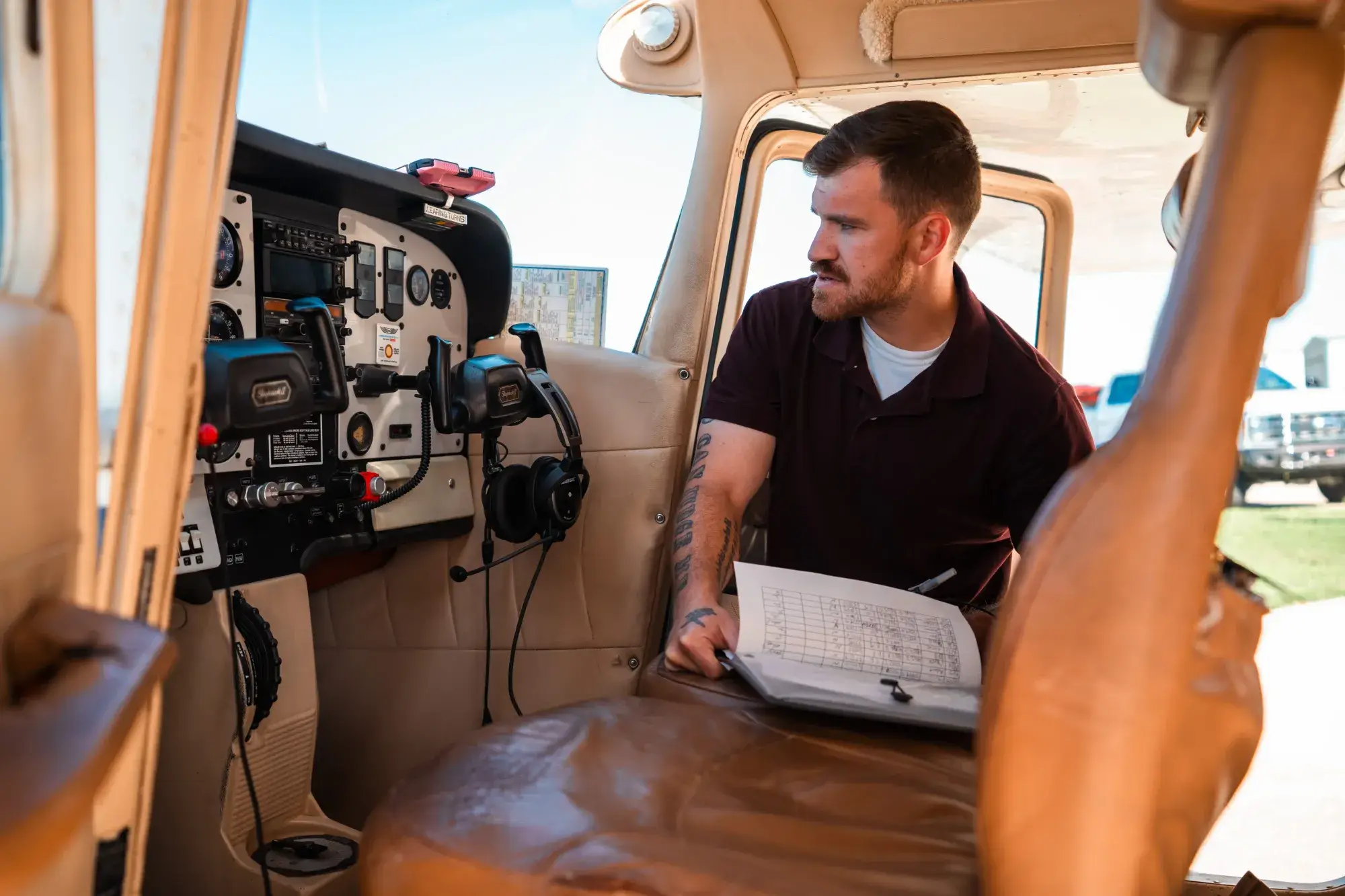
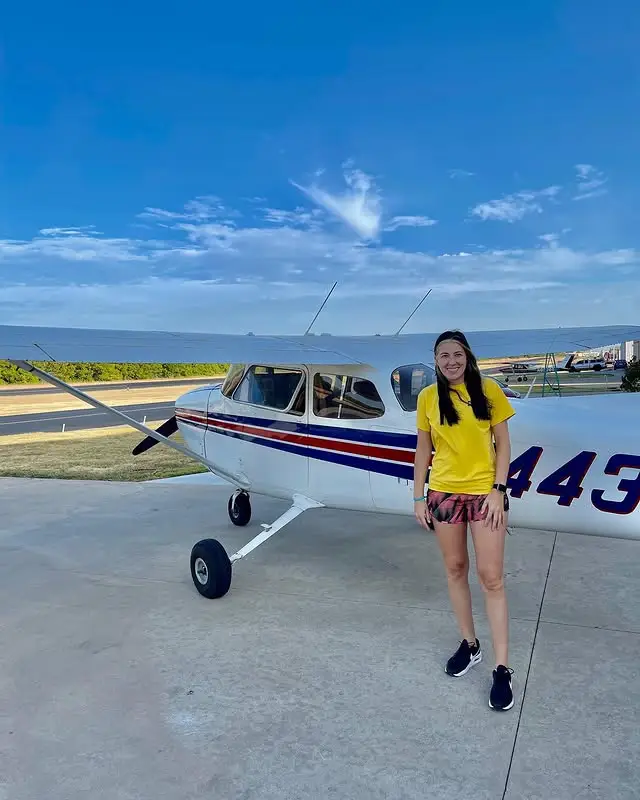
Preparing for the flight takes about five minutes. Bring a valid government-issued photo ID and wear closed-toe shoes. Comfortable clothing helps, because you will walk the ramp for a preflight inspection with your instructor before you fly.
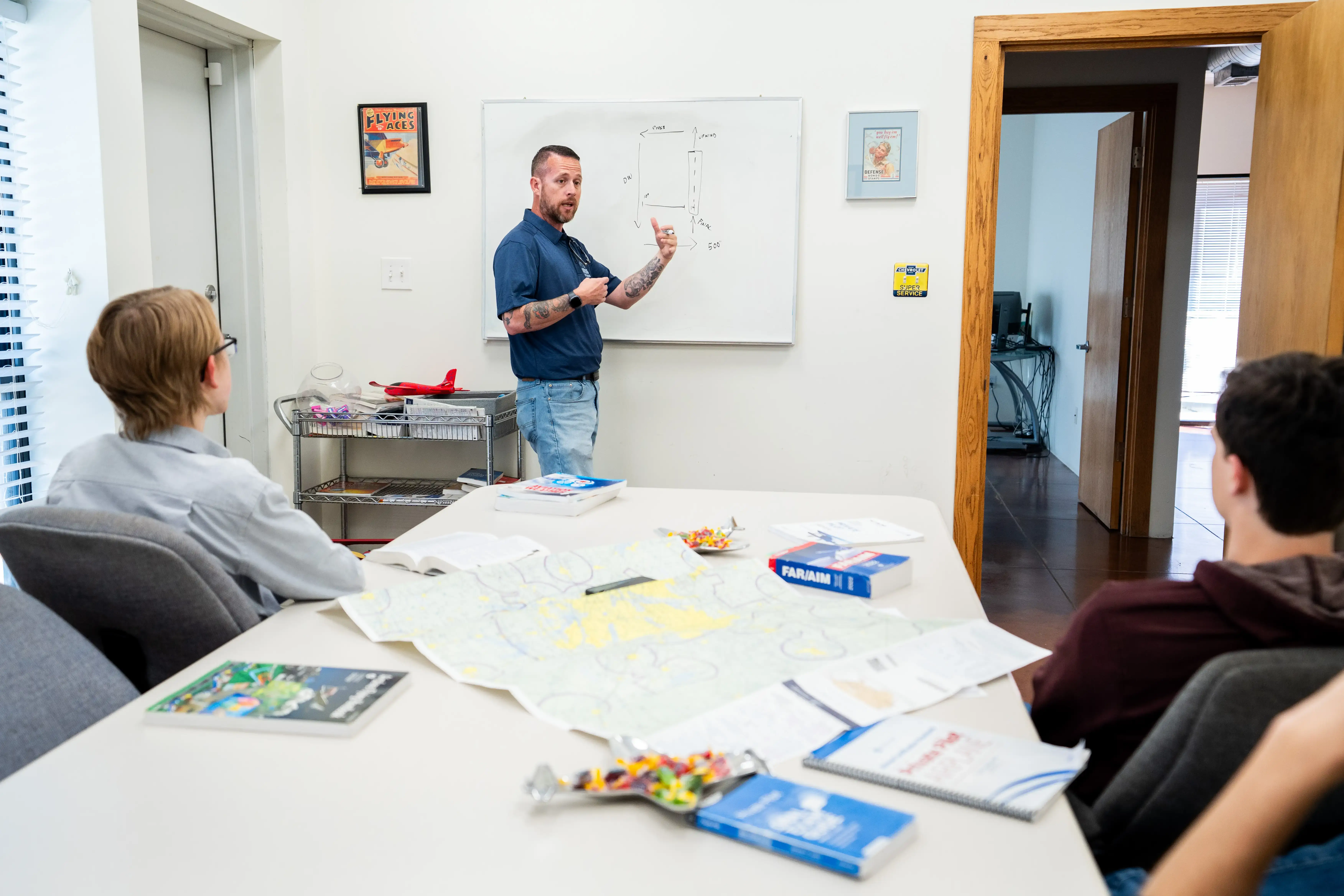
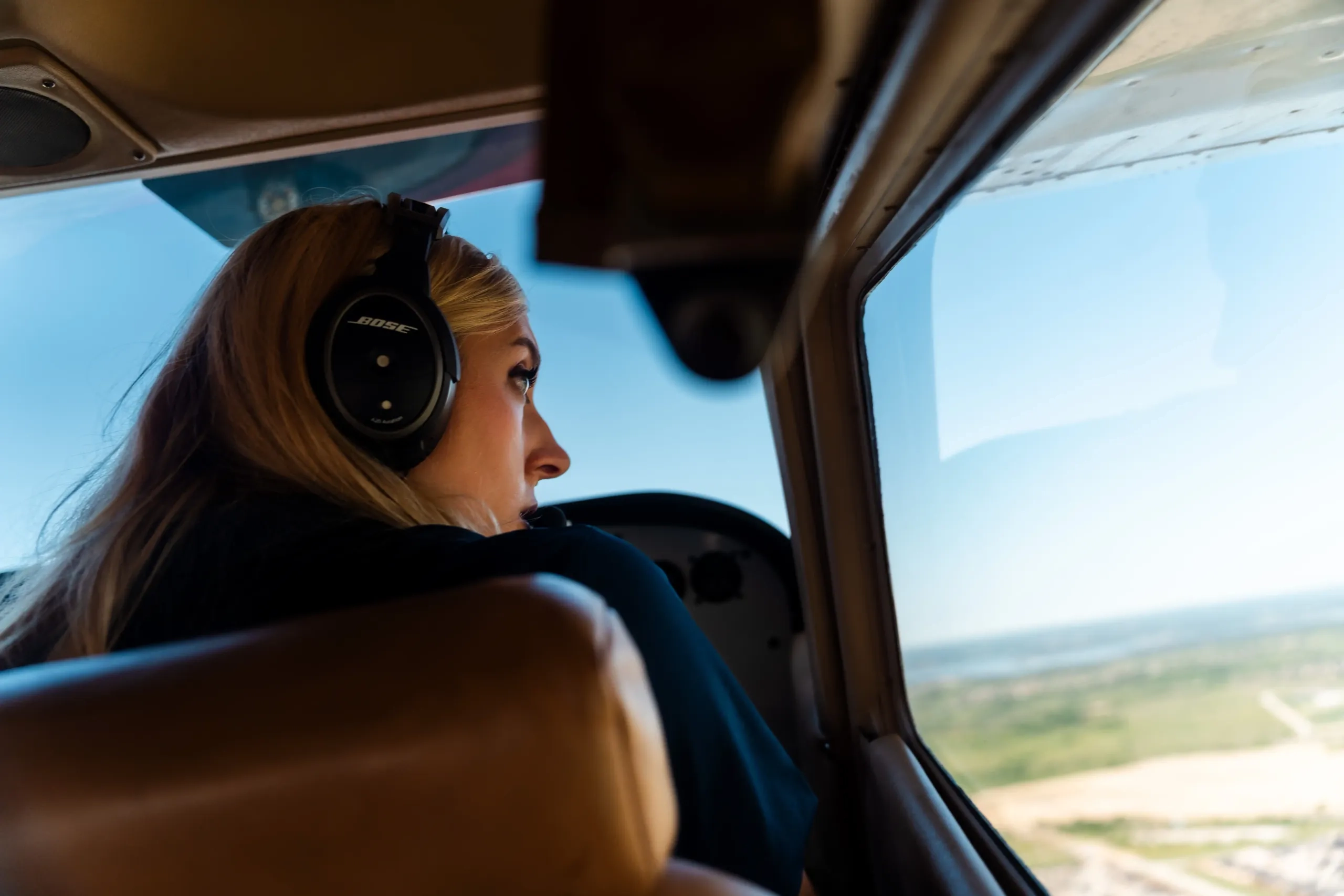
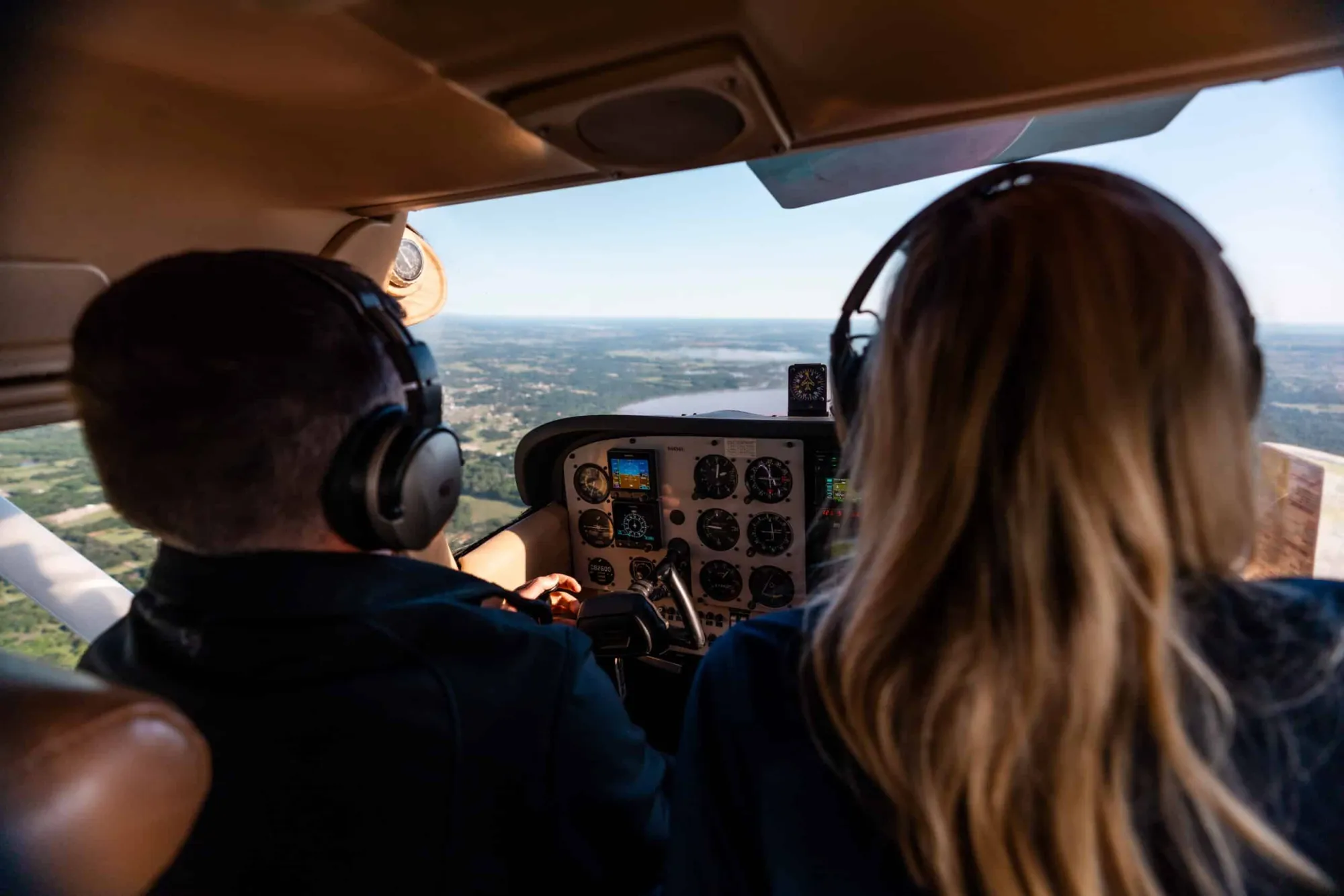
There is nothing to study. The whole experience runs about 1.5 to 2 hours, with about 30 minutes of ground briefing and about 30 to 60 minutes in the air. Our guide to what to expect on your first flight lesson shows how each part goes, from the briefing to the debrief.
Who Can Come Along
A friend or family member can often ride in the back seat, depending on the aircraft’s weight and balance limits. A first flight is often more fun when it is shared, and it makes for better photos. When you contact us, let us know who you would like to bring and we will confirm it.
If you are planning the flight as a present, our discovery flight gift guide explains how to set it up for someone else.
If You Decide to Keep Training
A trial flight is a good way to find out whether you enjoy flying. The time you fly can be logged as your first hour of dual instruction toward a Private Pilot License, so it counts if you continue. The next step is our private pilot license program, which is paid as you fly with no required upfront package.
If you want more time at the controls between flights, you can fly simulator hours as well. Our Gleim BATD is FAA-approved and runs $45 per hour, plus $60 per hour when you want instruction, and you can read about our BATD simulator before you decide.
To plan the cost, we work with Stratus Financial, and you can read about the financing options we offer before you commit to anything. The FAA minimum for a private pilot certificate in an airplane under Part 61 is 40 hours of flight time, and the FAA notes the national average is closer to 75, so it helps to plan with the average in mind. If you would like to talk through a realistic budget, contact us and we will walk through it with you.
Frequently Asked Questions
Do I need a license or medical to take a trial flight lesson?
No. The FAA does not require a student pilot certificate or a medical certificate just to take lessons with an instructor. You need both before you fly solo.
Is there a minimum age for a trial flight?
The FAA’s minimum age to hold a student pilot certificate for an airplane is 16, and that certificate is needed before solo flight. For a trial flight, contact us and we will talk through age for your flight.
Is there a weight limit?
Weight is set by each aircraft’s weight and balance limits, so the answer depends on the airplane and on who is flying. Contact us with your question and we will go over it with you.
Does a health condition stop me from taking a trial flight?
We do not give medical advice. A trial flight does not require an FAA medical certificate, and an FAA Aviation Medical Examiner is the right person for medical eligibility questions if you continue to train.
Do I need to speak English to take a trial flight?
The FAA requires the ability to read, speak, write, and understand English to hold a student pilot certificate. Your instructor briefs you before the flight and flies with you throughout, and you can contact us if you would like to talk through anything before you book.
Check Your Own Questions in One Conversation
You do not have to settle every question on your own. Call us at 1-817-398-3941 or use the form on the discovery flight page, and tell us what is on your mind, whether it is age, weight, a passenger, or timing. We will talk through it with you and help you choose a day to fly.