CFII Course vs Career Pilot Program: Which Path Fits You (2026)

Published by:
Madison BarberPublished on:
Updated on:
Read time:
8 min read
Two pilots type “cfii course” into a search bar on the same evening. One is a working flight instructor with a commercial certificate, an instrument rating, and a couple of private pilot students who keep asking about instrument training. The other has never logged an hour but wants a flying career and keeps seeing that instructors with a CFII can teach instrument students. They are asking the same question from very different logbooks.
Here at Bird Dog Flight Services, both of them can earn a CFII. The first would take our standalone CFII course, a short add-on rating. The second would earn it as the last stage of our LOFT Career Pilot Program, which runs from zero experience through Private, Instrument, Commercial, and CFI/CFII. The checkride at the end is the same. Everything before it is different, and your starting point decides which path fits you.
Where Each Path Starts and Where It Ends
The quickest way to sort this out is to look at what each path asks of you on day one and what you hold on the last day.
| CFII Course | LOFT Career Pilot Program | |
|---|---|---|
| Where you start | Commercial certificate with an instrument rating, ideally a CFI already | Zero experience, or some training already done |
| What you earn | The instrument rating on your flight instructor certificate | Private Pilot, Instrument Rating, Commercial Pilot, and CFI/CFII |
| Estimated cost | Around $2,000 | Around $80,000 |
| Time | Typically 2 to 4 weeks full-time or 1 to 2 months part-time | Most students finish in 6 to 9 months, depending on availability and weather |
| Flight hours | No FAA minimum; proficiency-based | Around 260 flight hours, including 40 simulated instrument hours |
| Schedule | Fits around a job or your own students | Full-time commitment recommended |
| Financing | Stratus Financial may be available | Stratus Financial may be available |
Read the cost row with care. The two prices pay for different amounts of training. Around $2,000 buys one instructor rating for a pilot who already holds the certificates underneath it. Around $80,000 covers the whole climb from a first lesson to instructor. Setting one number against the other tells you very little.
The CFII Course: A Short Add-On for Pilots Who Already Fly IFR
Our CFII course is a fast-paced add-on for pilots who already hold a commercial certificate with an instrument rating. The FAA requires that commercial or airline transport certificate with instrument privileges before you can earn a flight instructor instrument rating, so this path assumes the heavy lifting is behind you.
We recommend earning your CFI first. The FAA does allow the CFII to be your first instructor rating, but then you also take the Fundamentals of Instructing (FOI) knowledge test and have more teaching skills to learn. If you already hold a CFI, you take one knowledge test, the Flight Instructor Instrument (FII) test, at an approved testing center. The FAA explains how knowledge testing works on its airman testing page.
The training itself is proficiency-based. The FAA sets no minimum number of training hours for the CFII, so you train until your instructor can endorse you. Lessons cover:
- Advanced IFR ground lessons on holding patterns, approach plates, and weather, explained the way you will teach them
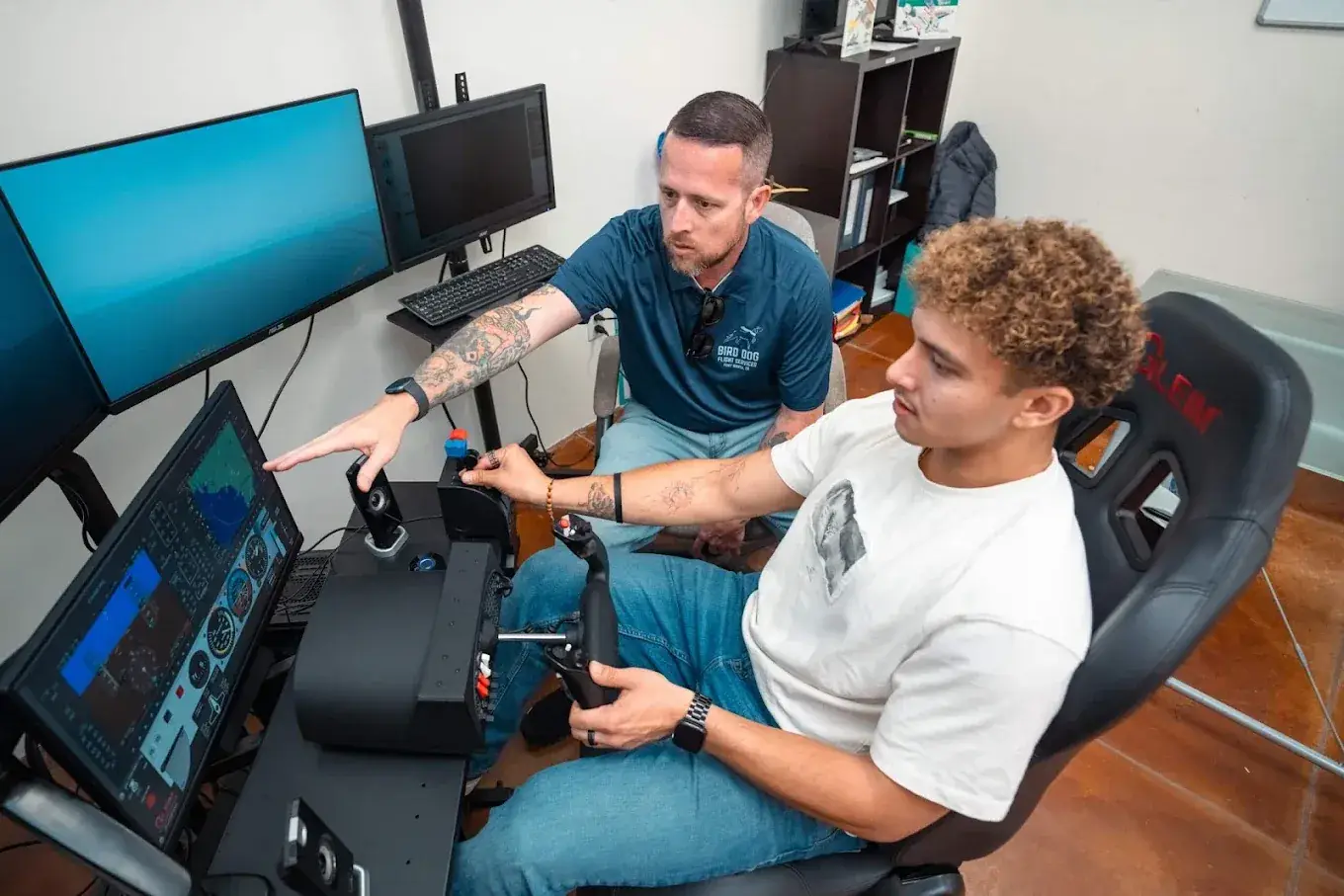
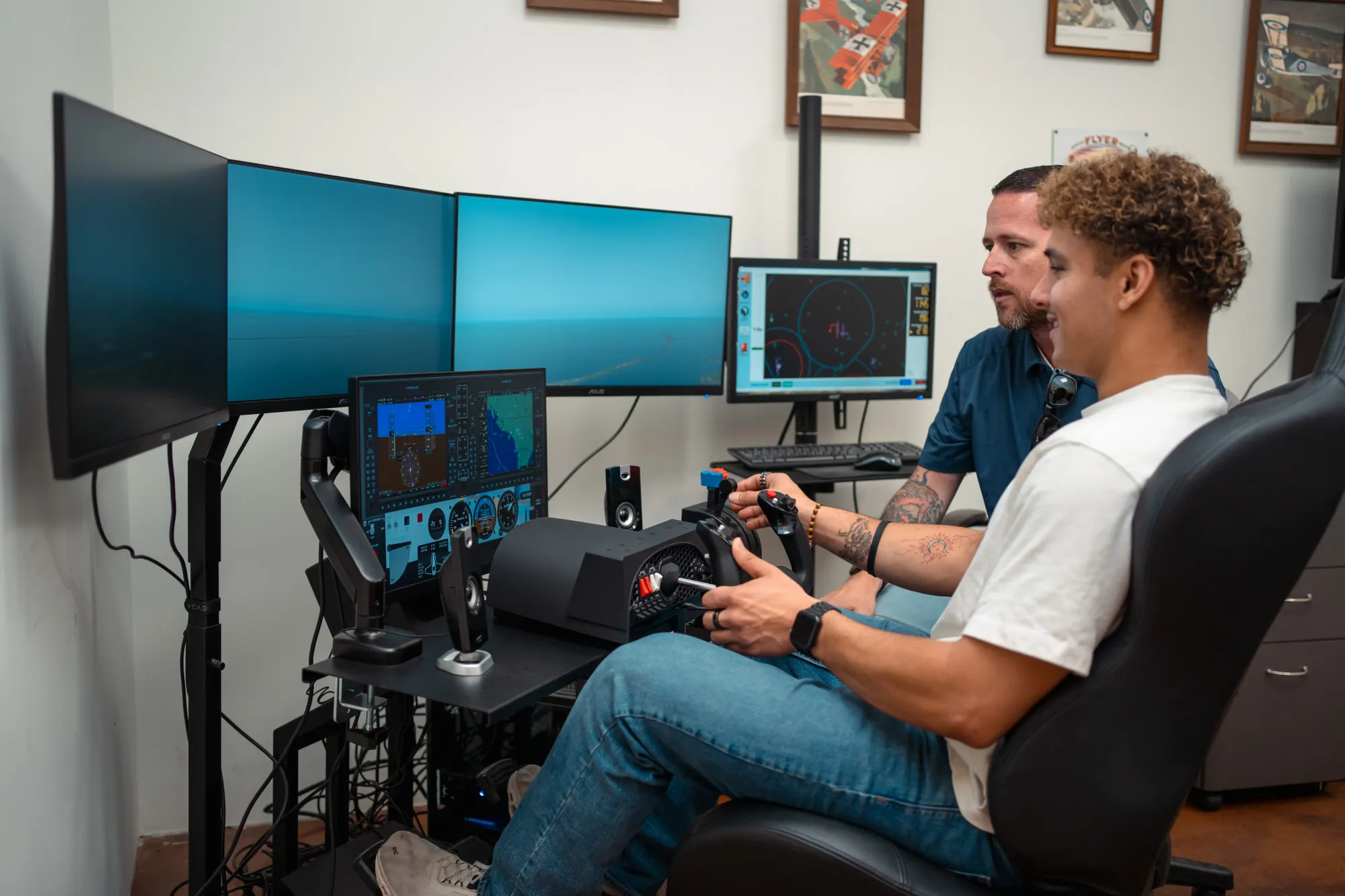
- Simulator teach-backs in our Gleim BATD, where you pause and reset scenarios the way you will with your own students
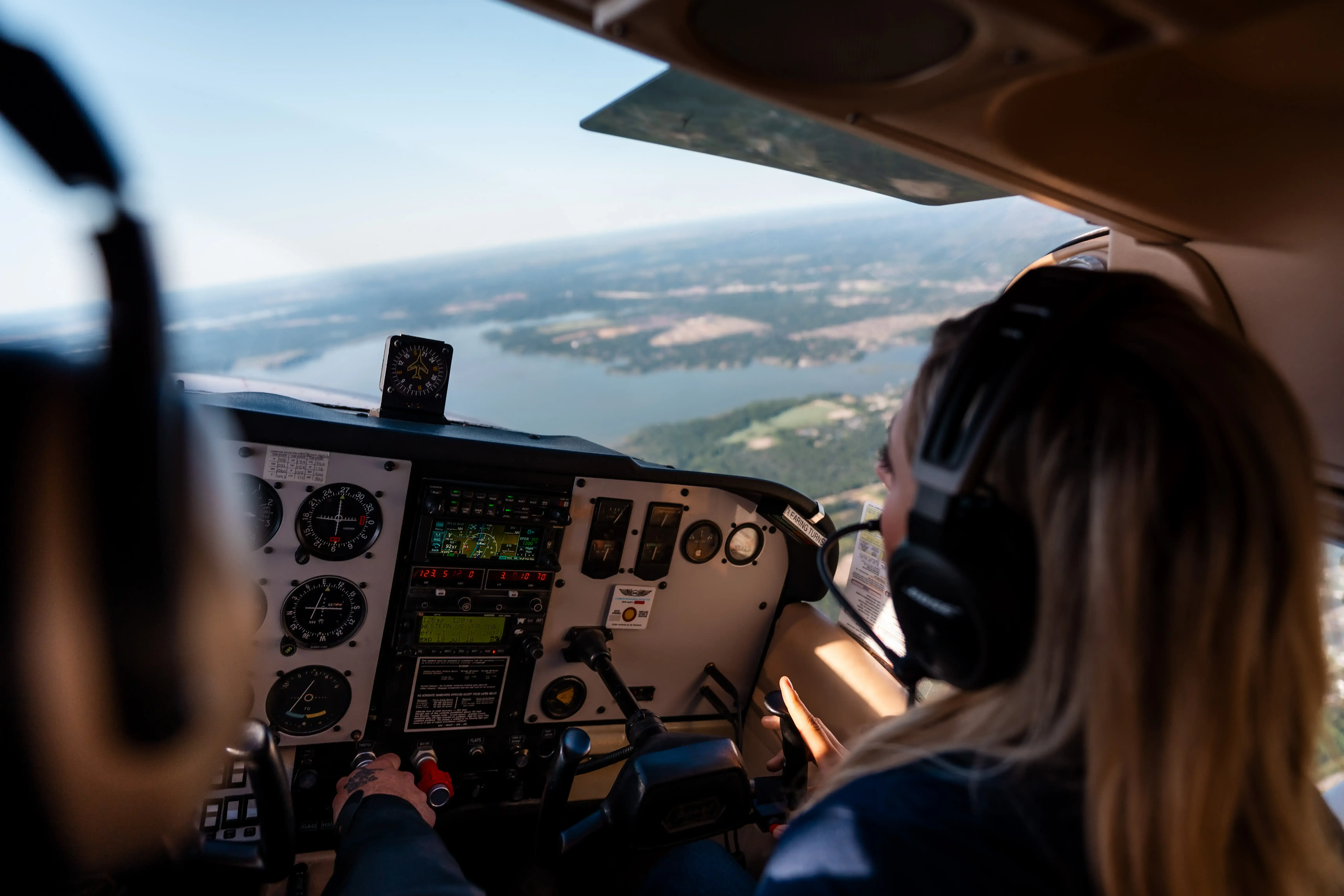
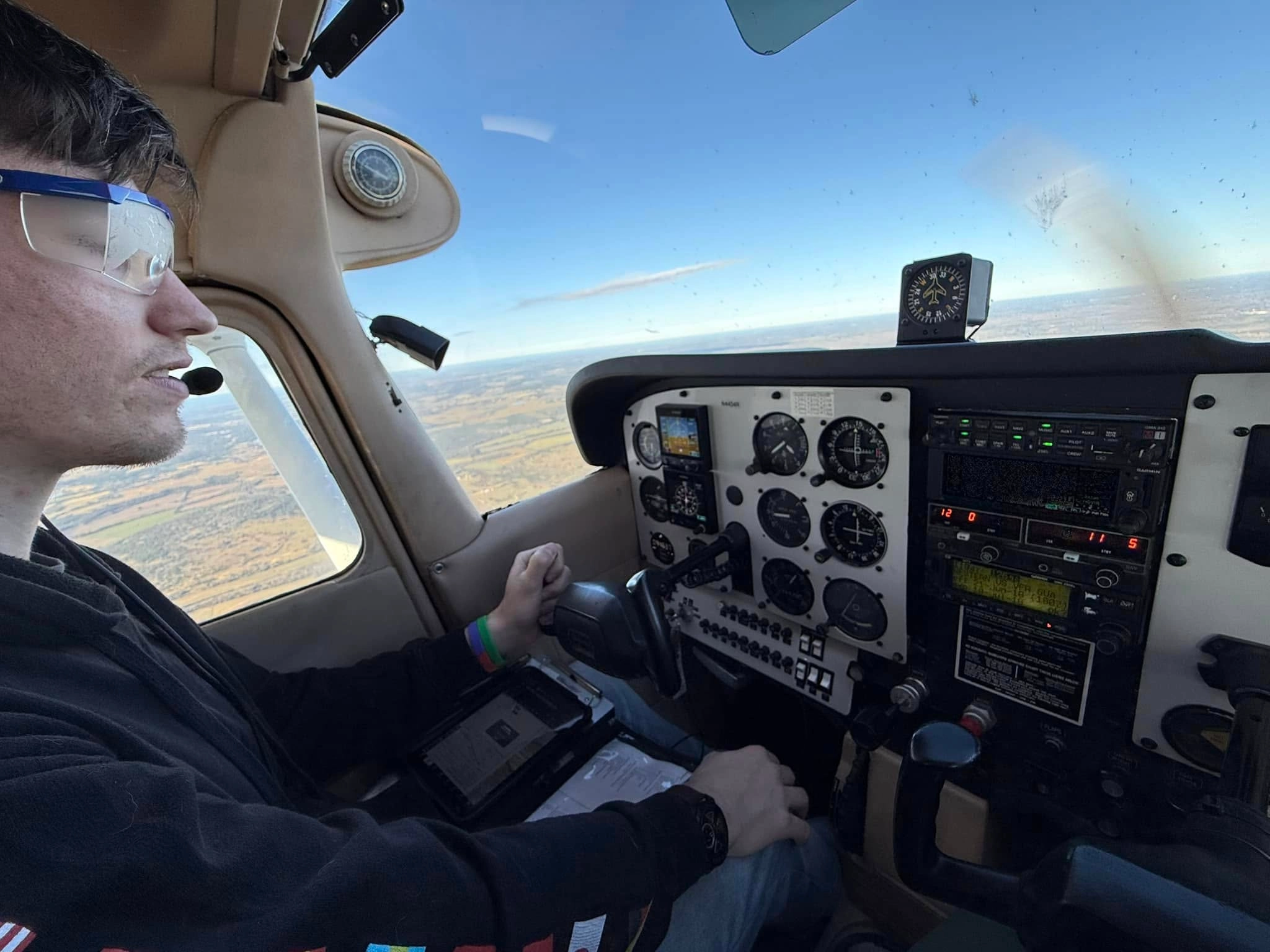
- Right-seat instrument flying, with precision and non-precision approaches flown under the hood from the instructor’s seat
- A lesson plan binder built around the Flight Instructor Instrument Practical Test Standards
Our guide to what the examiner tests on the CFII PTS covers the standard in detail, and CFII checkride day walks through the test itself.
LOFT: One Plan From First Lesson to Instructor
LOFT (Lift Off For Tomorrow) is our most complete training program. It is built for someone who wants a flying career and would rather follow one plan than piece together ratings one at a time. You need no prior flight time, and if you have already done some training, we can talk about joining partway.
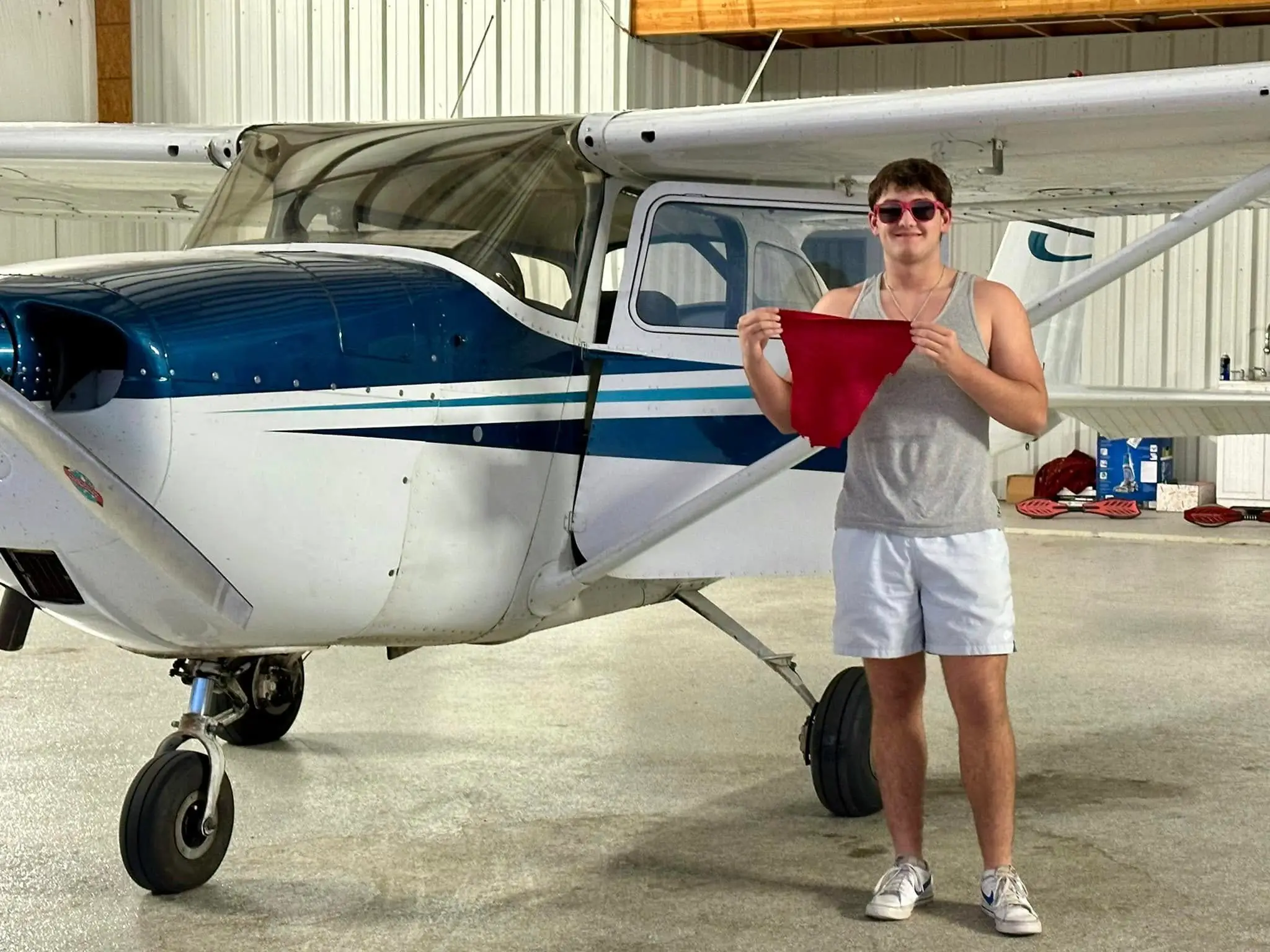
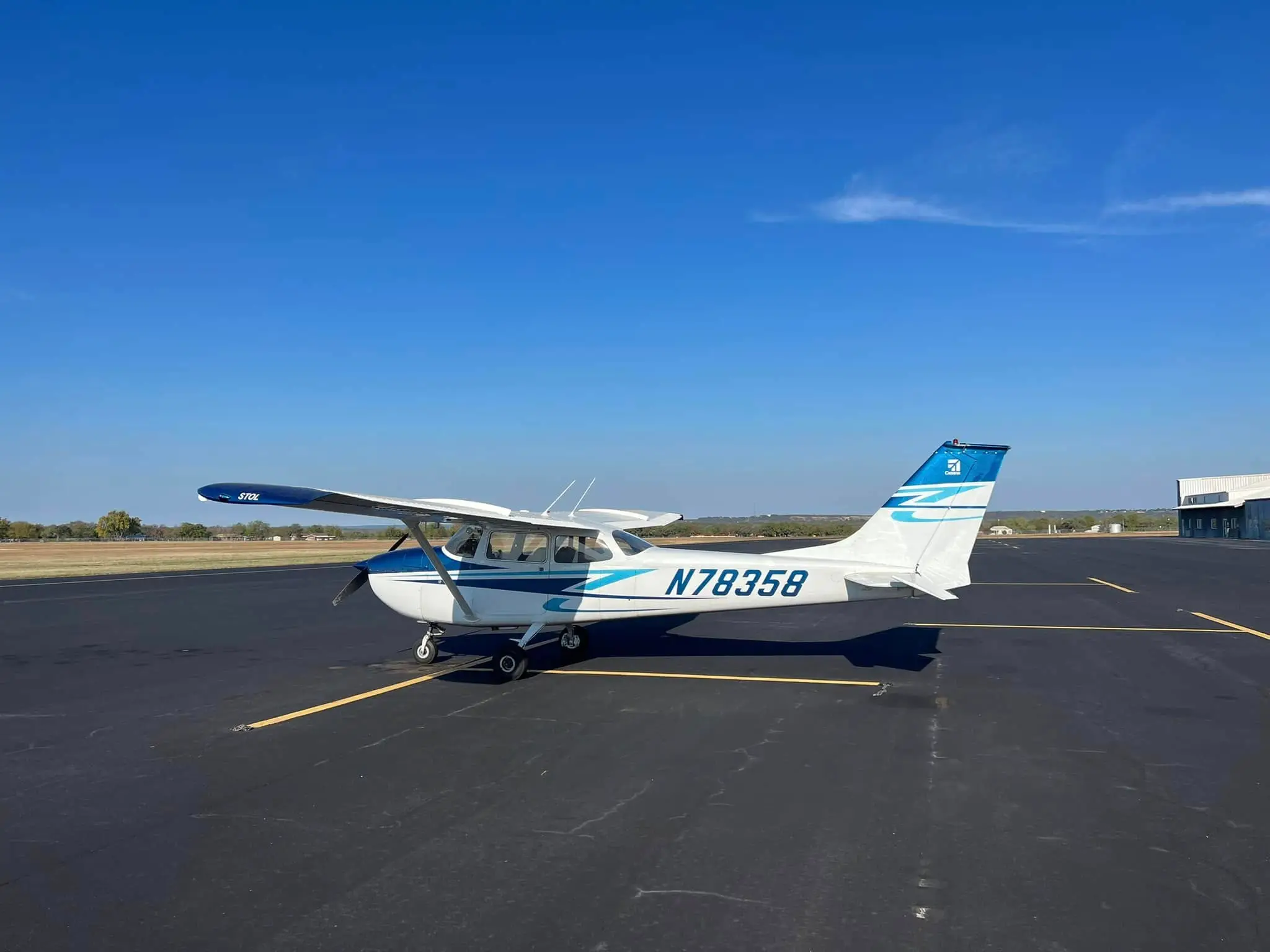
You train one on one in our IFR-equipped Cessna 172s at Hicks Airport (T67), moving through four stages: Private Pilot, Instrument Rating, Commercial Pilot, and CFI/CFII. The program runs to around 260 flight hours, including 40 simulated instrument hours, and you get career guidance along the way.
The hour count follows the FAA rules. A commercial pilot certificate for single-engine airplanes requires at least 250 hours of flight time, and an instrument rating requires 40 hours of actual or simulated instrument time. LOFT is built to cover those requirements inside one plan, then finish with your instructor ratings. Our Instrument Rating and Commercial Pilot Certificate pages explain each of those stages on its own.
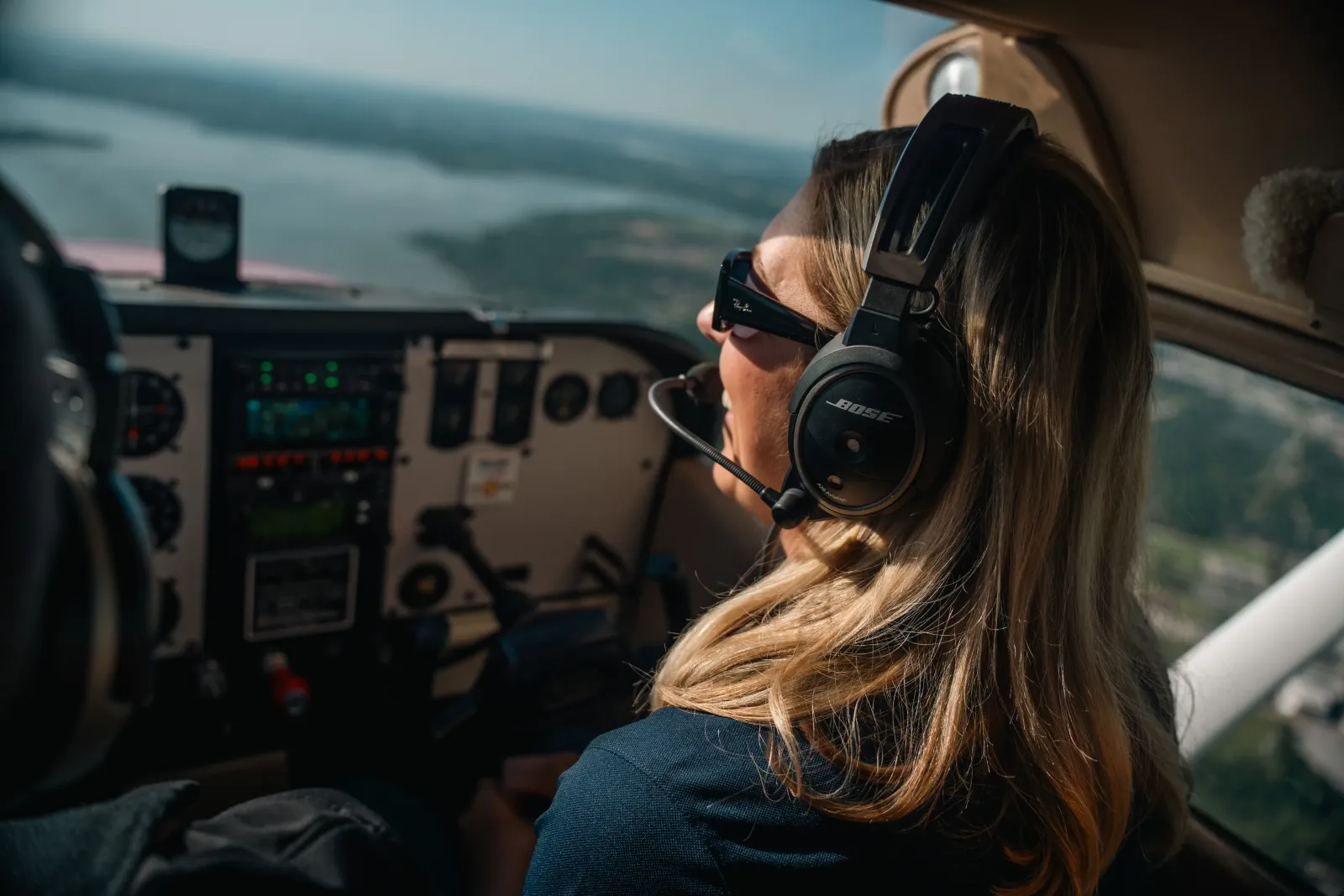
LOFT also asks something of you: we recommend treating it as a full-time commitment. Some flexible part-time work may be manageable, but the program moves at its best when you fly often. Students need the ability to obtain an FAA first-class or second-class medical certificate and fluent English.
Comparing Cost by What You Still Need to Buy
A fair cost comparison starts with what you still need to buy from where you stand today.
- If you already hold a commercial certificate with an instrument rating, LOFT would charge you for training you have already finished. The CFII course, estimated at around $2,000, pays only for the rating you are missing. Testing provider and examiner fees are set by them, and our CFII cost breakdown shows how they fit in.
- If you are starting from zero, the CFII course is not available to you yet. Your real comparison is LOFT, at around $80,000, against earning each certificate and rating separately with our modular flight training.
- If you are somewhere in the middle, say a private pilot with some instrument training, your cost depends on what you have already logged. Contact us and we will map what you still need under each option.
Financing can help on either path. Stratus Financial, our lending partner, offers flight training loans that can cover training from zero hours through CFI/CFII ratings, with deferred or interest-only payment options while you train. Approval and terms come from the lender, and financing may be available to qualified applicants. See our financing page for details.
Weeks or Months: What Each Timeline Measures
Time works the same way as cost. The CFII course typically takes 2 to 4 weeks full-time or 1 to 2 months part-time, because it adds one rating to a pilot who is already proficient on instruments. Rusty approaches add review time, and our CFII timeline shows how the phases fit together.
LOFT covers far more ground, and most students finish in 6 to 9 months, depending on availability and weather. Frequent flight blocks and steady scheduling keep the plan moving, and a student who flies several times a week builds hours much faster than one who flies every other Saturday.
So the two numbers measure different questions. The course range tells you how soon you can add one rating, and the LOFT range tells you how soon you can go from no experience to teaching.
Which Path Fits You

Here is our recommendation, matched to where you are today:
- Choose the CFII course if you hold a commercial certificate with an instrument rating, ideally a CFI, and you want to teach instrument students soon without pausing your job or your current students.
- Choose the CFII course if you are a CFI whose own instrument skills are sharp and you want a short, focused add-on.
- Choose LOFT if you are starting from zero, want a flying career, and can commit to training close to full time for several months.
- Choose LOFT if you have some early training and want the rest of the path, through CFI/CFII, in one plan with one school.
- Choose a modular route if you are partway through and LOFT’s full-time pace does not fit your life. Our CFII pillar guide shows every step from commercial to CFII.
Whichever you choose, you meet the same examiner standard at the end. The CFII practical test is flown in an airplane, and the simulator is where you practice and rehearse your teaching beforehand.
Frequently Asked Questions
Can I join the CFII course without a commercial certificate?
No. The FAA requires a commercial or airline transport pilot certificate with an instrument rating before you can earn a flight instructor instrument rating. If you are not there yet, LOFT or our modular training gets you there first. Our CFII requirements FAQ lists every prerequisite.
Does LOFT include the CFII, or only the CFI?
LOFT includes both. The final stage of the program covers CFI and CFII training, after Private, Instrument, and Commercial. See the LOFT Career Pilot Program for the full stage list.
Is LOFT cheaper than buying each rating separately?
The totals depend on what you already hold and how quickly you progress, so there is no single answer we can give without seeing your logbook. Contact us and we will compare LOFT with a modular plan for your situation.
Can I keep working while I train?
On the CFII course, yes. A part-time plan of 1 to 2 months fits around a job or your own students. For LOFT, we recommend a full-time commitment, though some flexible part-time work may be manageable. Our CFII timeline shows how a part-time course plan can look.
Do I need my CFI before the CFII course?
Not by FAA rule, but we recommend it. Starting with the CFII as your first instructor rating adds the FOI knowledge test and more teaching skills to learn. Our CFI program is the usual first step.
Can I finance either path?
Financing through Stratus Financial may be available to qualified applicants on both paths, including LOFT and CFI/CFII ratings. Visit our financing page to see how it works.
Plan the Path That Starts Where Your Logbook Ends
The right choice comes down to where your logbook ends today. If you already hold a commercial certificate with an instrument rating, the CFII course adds the rating you are missing. If you are starting from scratch, LOFT carries you all the way to the instructor’s seat. Contact us to tell us what you hold and where you want flying to take you, and we will lay out the path.