CFII PTS Explained: What the Examiner Tests in 2026

Published by:
Madison BarberPublished on:
Updated on:
Read time:
8 min read
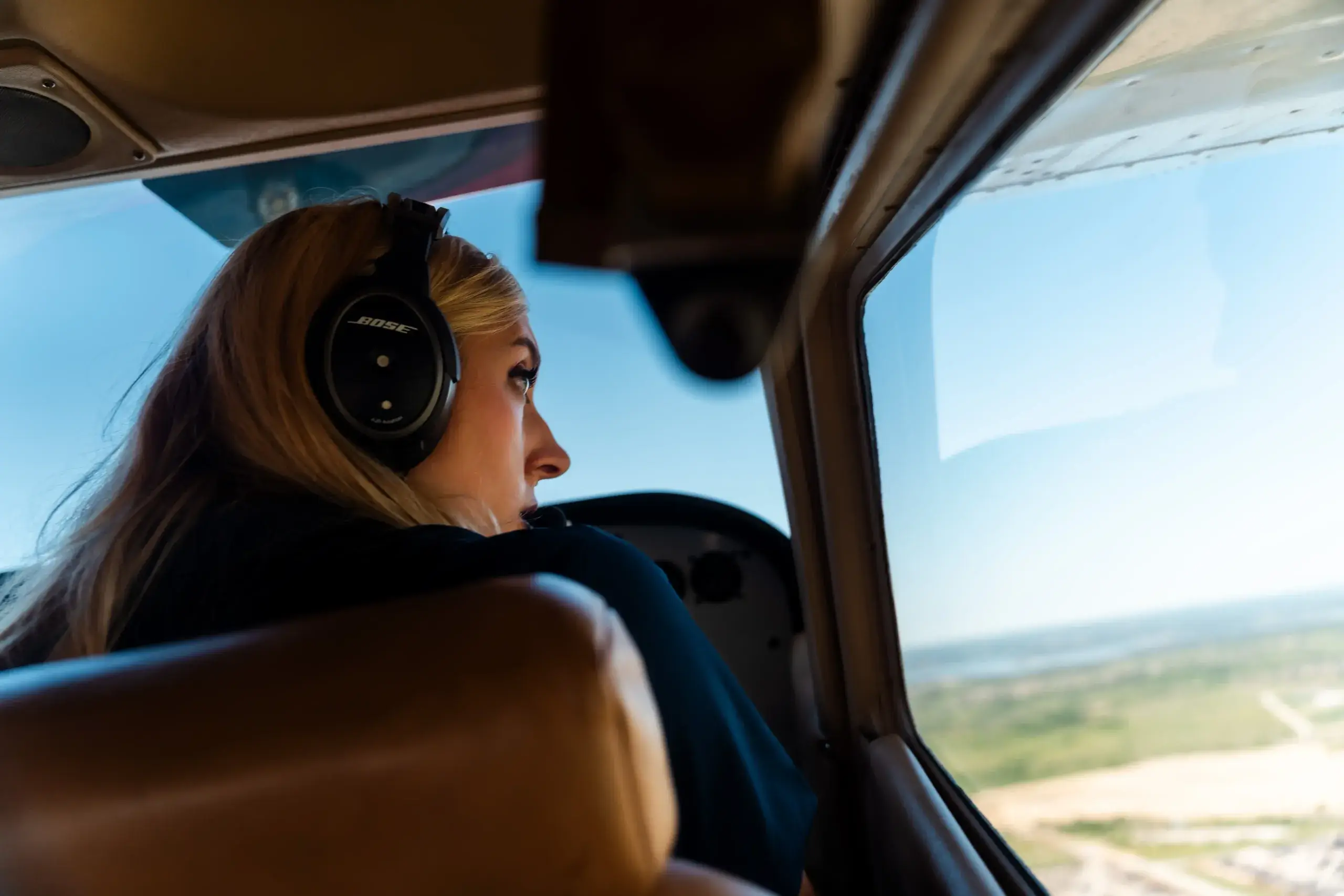
Picture the right seat on your CFII checkride. The examiner is playing your student. The heading starts to drift, the altitude creeps up, and nobody says a word. Your job is to catch it, explain it, and fix it, all while you fly the approach to instrument standards yourself.
That scene is what the CFII PTS, the Flight Instructor Instrument Practical Test Standards, is written to test. In 2026, the airplane CFII checkride is still graded against this PTS, document FAA-S-8081-9E. It is a different document from the Instrument Rating Airman Certification Standards you trained to as a student. This guide walks through what the PTS covers, what the examiner is looking for, and how to prepare for a test that grades your teaching as much as your flying. If you are still weighing the rating, start with our CFII program page.
The CFII Checkride Still Uses a PTS in 2026
Over the last few years, the FAA has moved most pilot tests from Practical Test Standards (PTS) to Airman Certification Standards (ACS). The initial airplane CFI test now uses an ACS, FAA-S-ACS-25. The instrument rating uses FAA-S-ACS-8C. Both took effect on May 31, 2024.
The airplane CFII did not move. The FAA still lists the Flight Instructor Instrument Practical Test Standards for Airplane Rating and Helicopter Rating, FAA-S-8081-9E, effective May 31, 2024. The only instrument instructor ACS the FAA lists today is for powered-lift. You can download the current document from the FAA Practical Test Standards page. Standards do change, so check that page before your test and make sure your copy is the current one.
The name matters for your preparation. Some study guides and lesson plan sets still tell CFII applicants to prepare to “the ACS.” If you build your binder around the wrong document, you can miss tasks the examiner is required to cover. Our CFI program follows the ACS because the initial CFI test uses one. For the CFII, we build lesson plans around the PTS.
The 10 Areas of Operation in the CFII PTS
The PTS is organized into ten areas of operation, and each area holds a set of tasks. Here is the full list, with what each area asks of you.
| Area | Title | What it asks of you |
|---|---|---|
| I | Fundamentals of Instructing | Explain how people learn, teaching methods, critique, and lesson planning |
| II | Technical Subject Areas | Teach instruments, aeromedical factors, IFR rules, and logbook entries for instrument instruction |
| III | Preflight Preparation | Teach weather, IFR cross-country planning, and the instrument flight deck check |
| IV | Preflight Lesson on a Maneuver | Give a ground lesson on a maneuver, the way you would to a real student |
| V | ATC Clearances and Procedures | Teach clearances and departure, en route, and arrival procedures |
| VI | Flight by Reference to Instruments | Teach and fly basic attitude instrument flying, including unusual attitude recovery |
| VII | Navigation Aids | Teach intercepting and tracking courses, DME arcs, and holding |
| VIII | Instrument Approach Procedures | Teach and fly nonprecision, precision, missed, and circling approaches |
| IX | Emergency Operations | Teach lost communications and an approach with failed primary instruments |
| X | Postflight Procedures | Teach how to check and record instrument and equipment problems |
You trained on most of these topics during your Instrument Rating. On that checkride you flew the tasks. On the CFII checkride you also explain them and evaluate a student who is flying them.
Which tasks the examiner must pick
The examiner does not test every task. The PTS says the evaluator selects one or more tasks in each area, and some areas carry required tasks. On the full test, the examiner must cover:
- Area I: Critique and Evaluation, Flight Instructor Characteristics and Responsibilities, Planning Instructional Activity, and one more task.
- Area II: Aircraft Flight Instruments and Navigation Equipment, Logbook Entries Related to Instrument Instruction, and one more task.
- Area VI: Recovery From Unusual Flight Attitudes and one more task.
- Area VII: both tasks, tracking navigation systems and holding.
- Area VIII: a nonprecision and a precision approach, combined with a missed approach, circling approach, or landing from a straight-in approach.
The PTS also has a table that changes what is required if you already hold a flight instructor certificate. If you already hold a CFI, we go through that table with you at the start and build your training plan around it.
What “Teach It While You Fly It” Means for You
The PTS puts it plainly: the examiner evaluates your ability to demonstrate and simultaneously explain the selected procedures and maneuvers. You fly to the instrument pilot skill level and talk your student through it at the same time.
On an approach, that gets busy fast. You are flying the needles, briefing the missed approach, watching the clock, and describing your scan out loud. The PTS lists the failure plainly: an explanation during a demonstration that is not clear, concise, technically accurate, and complete, with no prompting from the evaluator.
During selected maneuvers, the roles switch, and the examiner acts as a student who makes common errors on purpose. You need to spot the error, explain why it happened, and correct it. A slow cross-check, poor trim, or a late turn onto the inbound course are all fair game.
Your teaching should also follow the methods in the FAA Aviation Instructor’s Handbook. The PTS calls this instructional knowledge. It includes scenario-based lessons, evaluating single-pilot resource management, and learner-centered grading.
The preflight lesson is a real lesson
Area IV is where many applicants feel the pressure. The examiner picks a maneuver from Areas VI through IX and asks you to teach a preflight lesson on it, the way you would teach a student. You may use lesson plans from your own library.
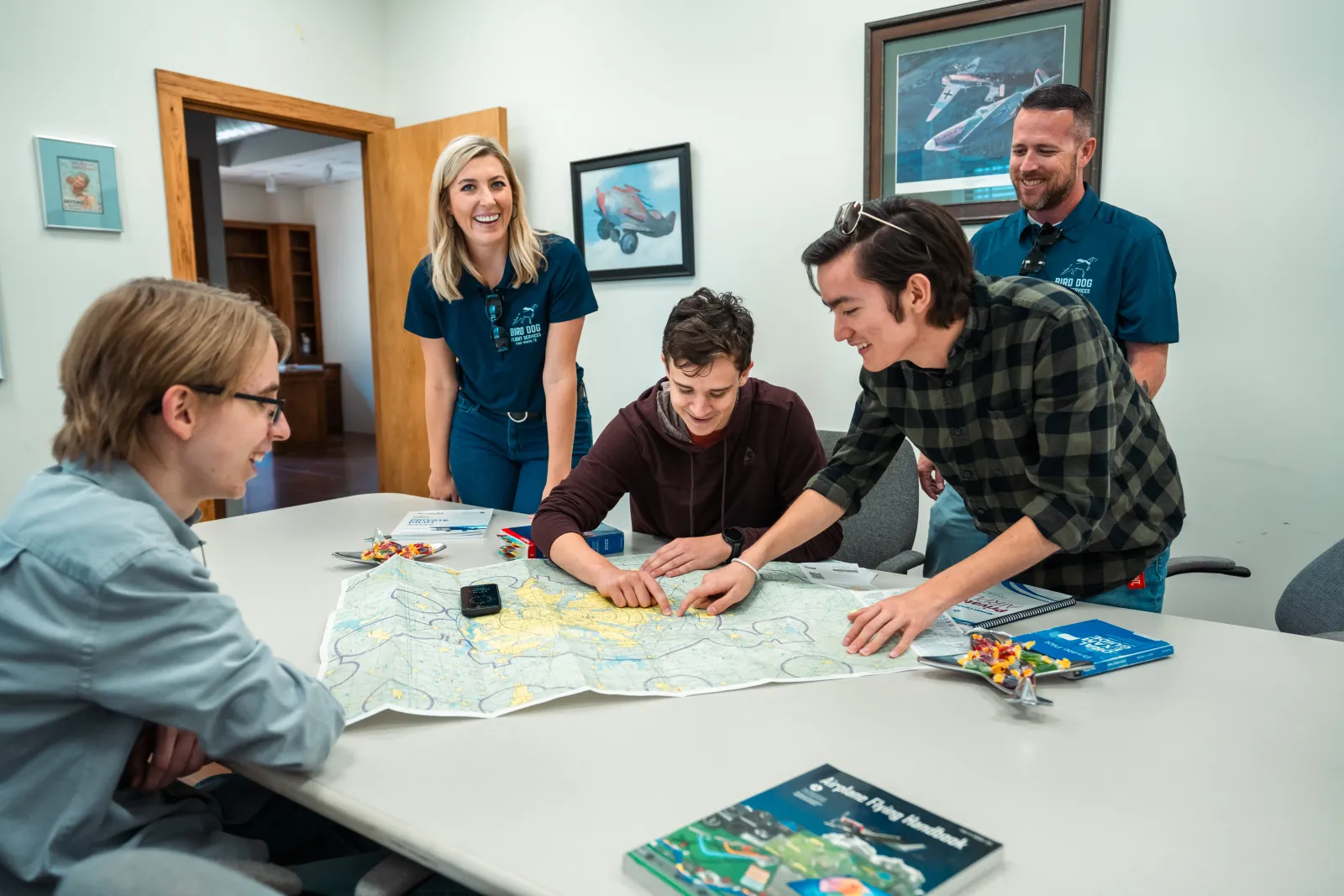
Your binder carries a lot of weight here. A good lesson plan states the objective, describes the maneuver and its common errors, uses instructional aids, and explains how you would recognize, analyze, and correct mistakes. In our CFII course, you write those plans and then teach them to an instructor who plays the student.
What the Examiner Watches in the Airplane
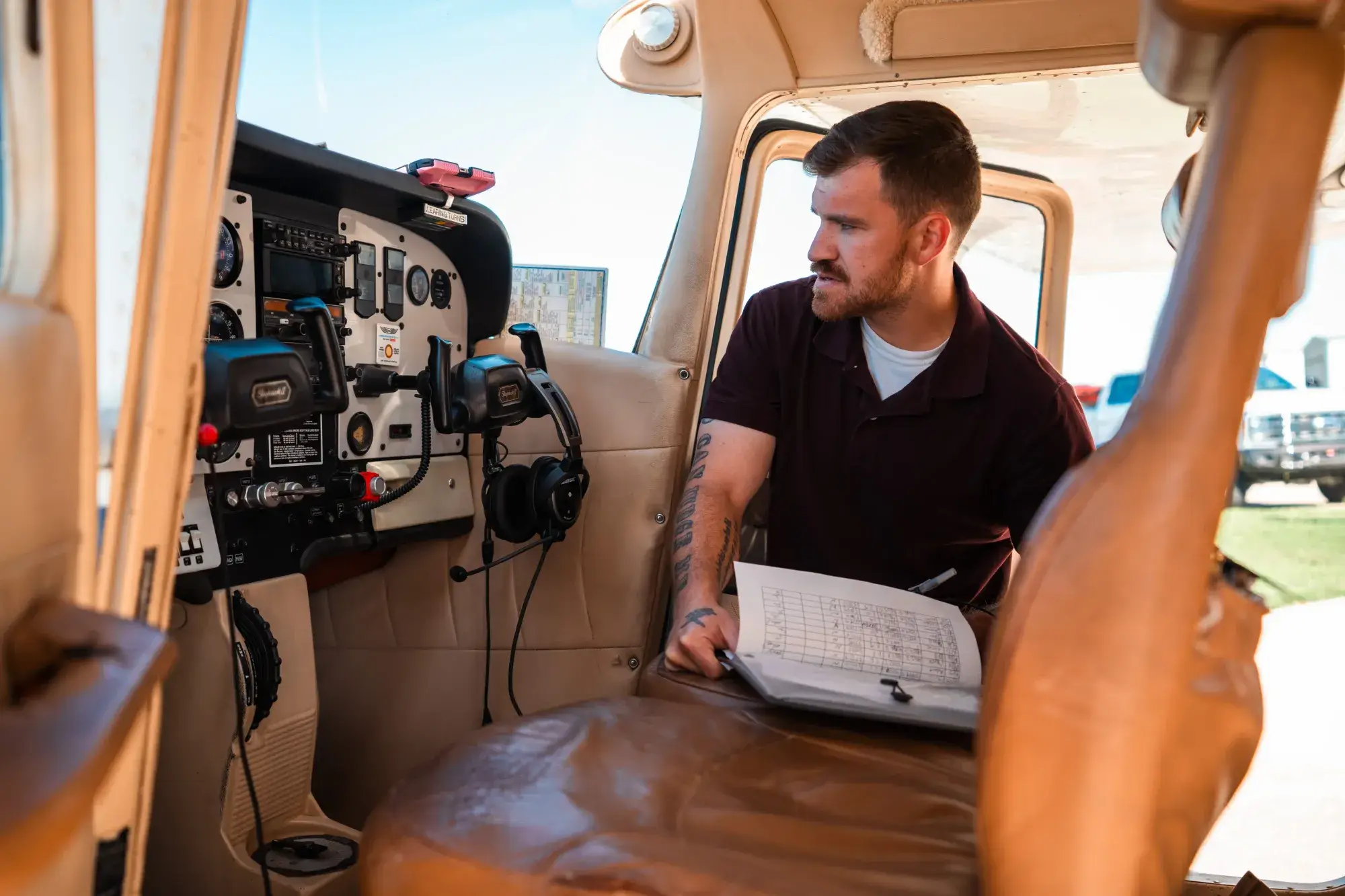
The flight portion has its own set of standards. The PTS asks for at least two different nonprecision approaches and a precision approach. One nonprecision approach is flown with reference to backup or partial panel instruments. You wear a view-limiting device for unusual attitude recovery and the nonprecision approach task.
The examiner also places special emphasis on areas critical to safety. These include positive aircraft control, collision avoidance, runway incursion avoidance, controlled flight into terrain, risk management, checklist use, and icing hazards. The PTS also requires the examiner to create a realistic distraction during the flight.
One small habit gets tested every time: the positive exchange of flight controls. “You have the flight controls.” “I have the flight controls.” “You have the flight controls.” Every handoff between you and your student should sound like that.
If any task is unsatisfactory, the area of operation is failed, and so is the test. The PTS lists the common reasons: not flying to instrument standards while instructing, an incomplete explanation, a safety intervention by the examiner, poor visual scanning, or not using single-pilot resource management.
How the CFII PTS Differs From the Instrument Rating ACS
You already know the Instrument Rating ACS from your own checkride. Here is how the two documents compare.
| Instrument Rating ACS (FAA-S-ACS-8C) | CFII PTS (FAA-S-8081-9E) | |
|---|---|---|
| Format | Airman Certification Standards | Practical Test Standards |
| Areas of operation | 8 | 10 |
| Built around | Knowledge, risk management, and skill elements for each task | Instructional knowledge, demonstration with explanation, error analysis |
| Your role | Pilot | Pilot and instructor at the same time |
| Extra areas | None | Fundamentals of Instructing, Technical Subject Areas, Preflight Lesson |
| Flying standard | Instrument pilot standards | Instrument pilot standards while teaching |
The flying overlaps a lot. The PTS states that all of the procedures and maneuvers in the instrument rating standards are included in the CFII standards. Approaches, holds, unusual attitudes, and partial panel all come back. What changes is the layer on top: teaching, evaluating, and planning.
Since your instrument flying already meets a standard, most of your CFII training time goes into saying it well while you fly it, and into teaching on the ground.
How We Prepare You for the CFII PTS
Bird Dog Flight Services is a family-owned Part 61 flight school at Hicks Airport (T67) in Fort Worth, led by a founder and chief flight instructor who holds a CFII. Our CFII course is one on one and proficiency-based, so your time goes to the tasks you need.
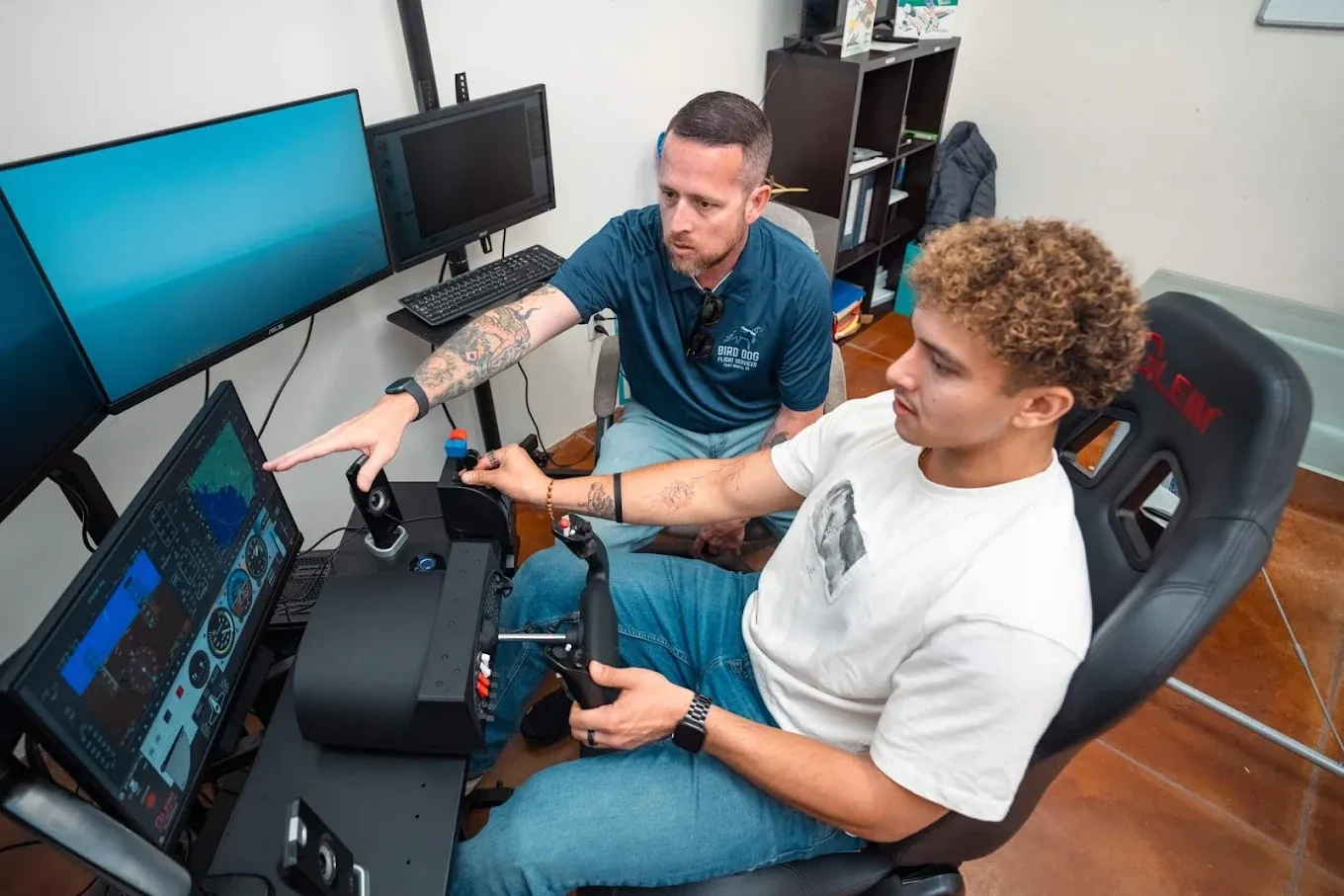
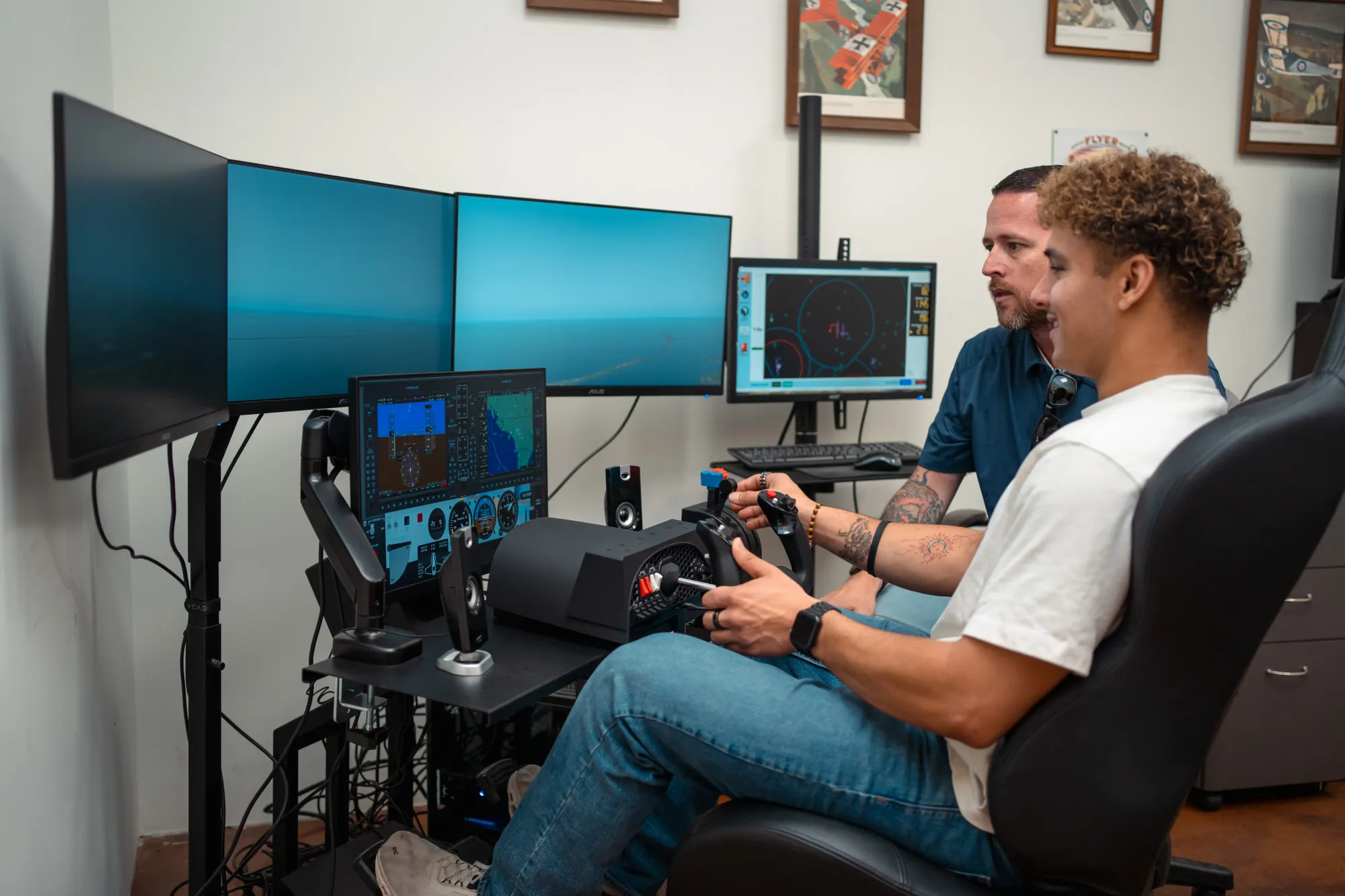
Training starts on the ground, where you learn to teach holds, approach plates, and IFR weather. Then come teach-backs in our FAA-approved Gleim BATD simulator, where you pause and reset a scenario to correct a student’s error, then try again. The BATD simulator is a practice tool for this. Your checkride is flown in the airplane, so you also practice right-seat instrument flying, with approaches under the hood from the instructor’s seat.
Course cost and length are on the CFII program page. If you need help paying for training, financing through Stratus Financial is available for individual ratings.
Frequently Asked Questions
Is the CFII checkride based on a PTS or an ACS in 2026?
A PTS. The airplane CFII practical test uses the Flight Instructor Instrument Practical Test Standards, FAA-S-8081-9E, effective May 31, 2024. The FAA lists an instrument instructor ACS only for powered-lift. See our CFII program page for the course.
How many areas of operation are in the CFII PTS?
Ten. They run from Fundamentals of Instructing through Postflight Procedures. The examiner selects tasks from each area, with some tasks required.
Do I need a CFI before the CFII checkride?
No, but most applicants have one. You need a commercial or airline transport pilot certificate with an instrument rating. If you are not already a flight or ground instructor, you also take the Fundamentals of Instructing knowledge test. Our CFI program is the usual first step.
What knowledge test comes before the CFII checkride?
The Flight Instructor Instrument (FII) knowledge test. You also need a logbook endorsement from an authorized instructor stating you are ready for the practical test.
Is the CFII checkride harder than the instrument checkride?
It asks for more at once. You fly to the same instrument standards, but you also explain everything, give a ground lesson, and correct a student’s errors. Practice teaching out loud, and the flying feels familiar. Our Instrument Rating page covers the standard you already met.
Can I practice CFII teaching in a simulator?
Yes, for practice. We use our Gleim BATD simulator for teach-backs, so you can pause, reset, and repeat. The checkride itself is flown in the airplane.
Start Building Your CFII Lesson Plans
The CFII PTS rewards applicants who teach clearly while they fly precisely. You already have the instrument skills. The next step is turning them into lessons a student can follow.
Contact us to plan your CFII training at Hicks Airport, and we will help you build lesson plans around the PTS, one on one.