How Long Does It Take to Get a CFII? A 2026 Timeline

Published by:
Madison BarberPublished on:
Updated on:
Read time:
9 min read
You already earned your instrument rating, and maybe your CFI too. Now an instrument student is asking when you can take them, and you are trying to figure out how long it takes to get a CFII before you promise anything. The answer depends mostly on your own calendar.
Our CFII course at Hicks Airport (T67) is proficiency-based and typically takes 2 to 4 weeks if you train full-time, or 1 to 2 months if you train part-time or on weekends. The FAA sets no minimum number of training hours for the instrument rating on a flight instructor certificate. You train until your instructor can sign you off as ready. This guide walks through each phase on the clock, shows one example plan, and covers the windows and habits that make a timeline grow or shrink. If you want the full rating overview first, start with our CFII program.
The CFII Timeline at a Glance, Phase by Phase
A CFII timeline has more moving parts than a regular rating because you learn to teach instrument flying while you fly it. In practice, several of these phases overlap: you might study for the knowledge test in the evening and fly right-seat approaches the next morning.
| Phase | What happens | What sets the pace |
|---|---|---|
| Knowledge tests | FII test, plus FOI if you are not yet an instructor | Your study time and test center availability |
| Ground and lesson plans | Teaching holds, approach plates, and IFR weather; building your binder | How quickly your explanations get clear |
| Simulator teach-backs | Teaching procedures in our Gleim BATD | How comfortable you are pausing, resetting, and correcting |
| Right-seat flying | Approaches under the hood from the instructor’s seat | Your instrument proficiency today |
| Endorsements | Your instructor signs you off for the practical test | Training inside the 2-calendar-month window |
| Examiner and checkride | Oral portion and flight portion with a DPE | Examiner schedules and weather |
We fit these phases into one plan in our CFII course, and the sections below take them in order.
Start the Clock With the Knowledge Tests
Every CFII applicant passes the Flight Instructor Instrument (FII) knowledge test. If you do not already hold a flight or ground instructor certificate, you also pass the Fundamentals of Instructing (FOI) test. Already a CFI? One test. Not yet? Two. You take them at a testing center, and the FAA lists PSI Services as the provider on its Airman Testing page.
Many applicants study for the FII test while ground lessons begin, so the knowledge work and the teaching work feed each other. But your passed test has an expiration window: it must fall within the 24 calendar months before the month you finish the practical test. That is plenty of room for most people, but a test taken years ahead “to get it out of the way” can lapse before you ever book a checkride. Our ground instruction sessions can cover test prep alongside the teaching material.
Ground Work and Lesson Plans: Where Teaching Takes Shape
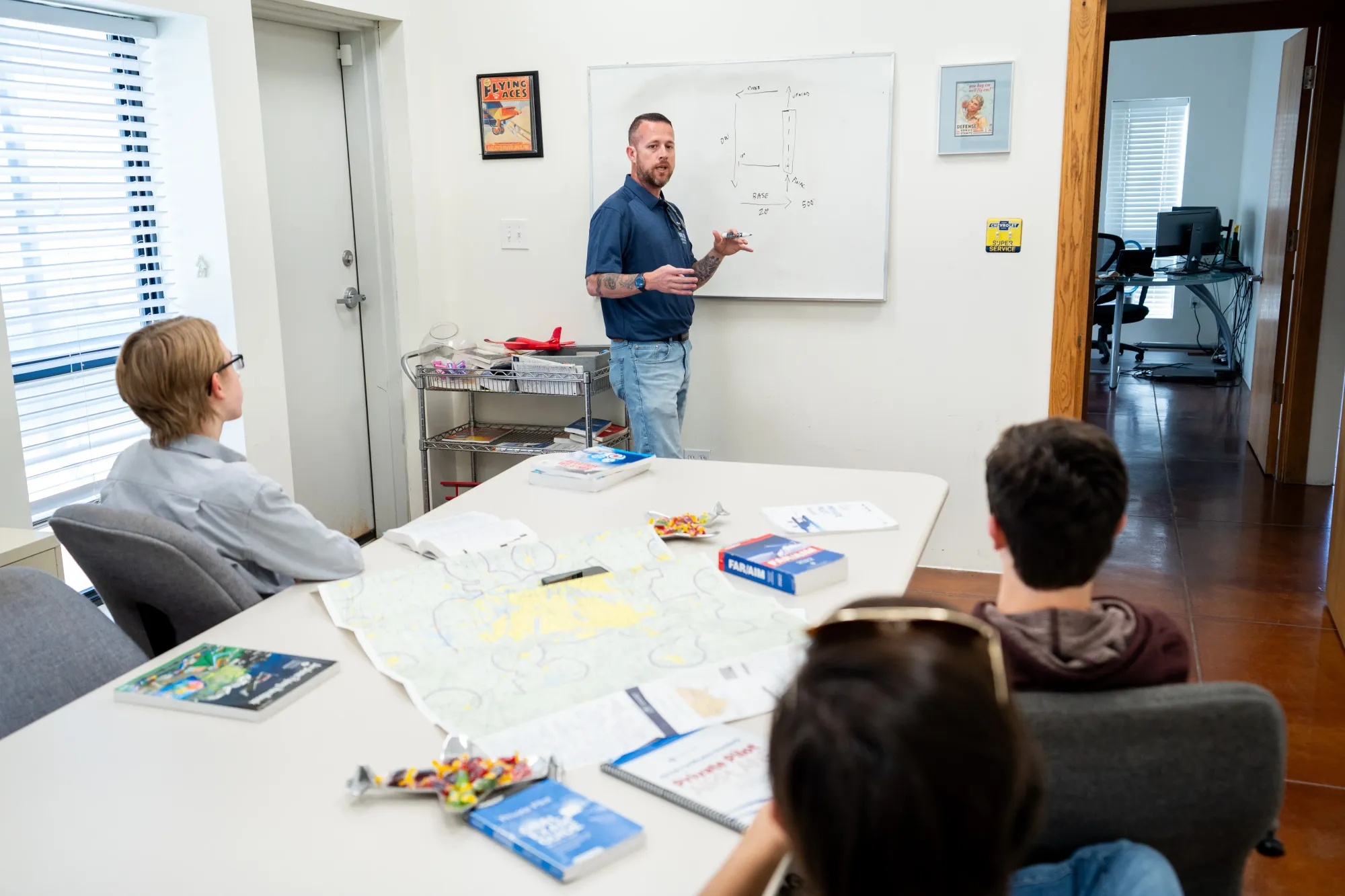
This phase is where you stop thinking like the pilot and start thinking like the instructor. You practice explaining holding patterns, approach plates, and IFR weather in a way a student can follow, then answering the follow-up questions a confused student would really ask.
You also build your binder of instrument lesson plans. We build them around the Flight Instructor Instrument Practical Test Standards, the document the examiner uses. If you want to see what that standard covers, our guide to the CFII PTS and what the examiner tests walks through all ten areas of operation.
How long this takes depends on you. Some pilots explain well from day one and only need polish. Others know the material cold but stumble when they say it out loud, and they need more reps.
Simulator Teach-Backs Save Airplane Time
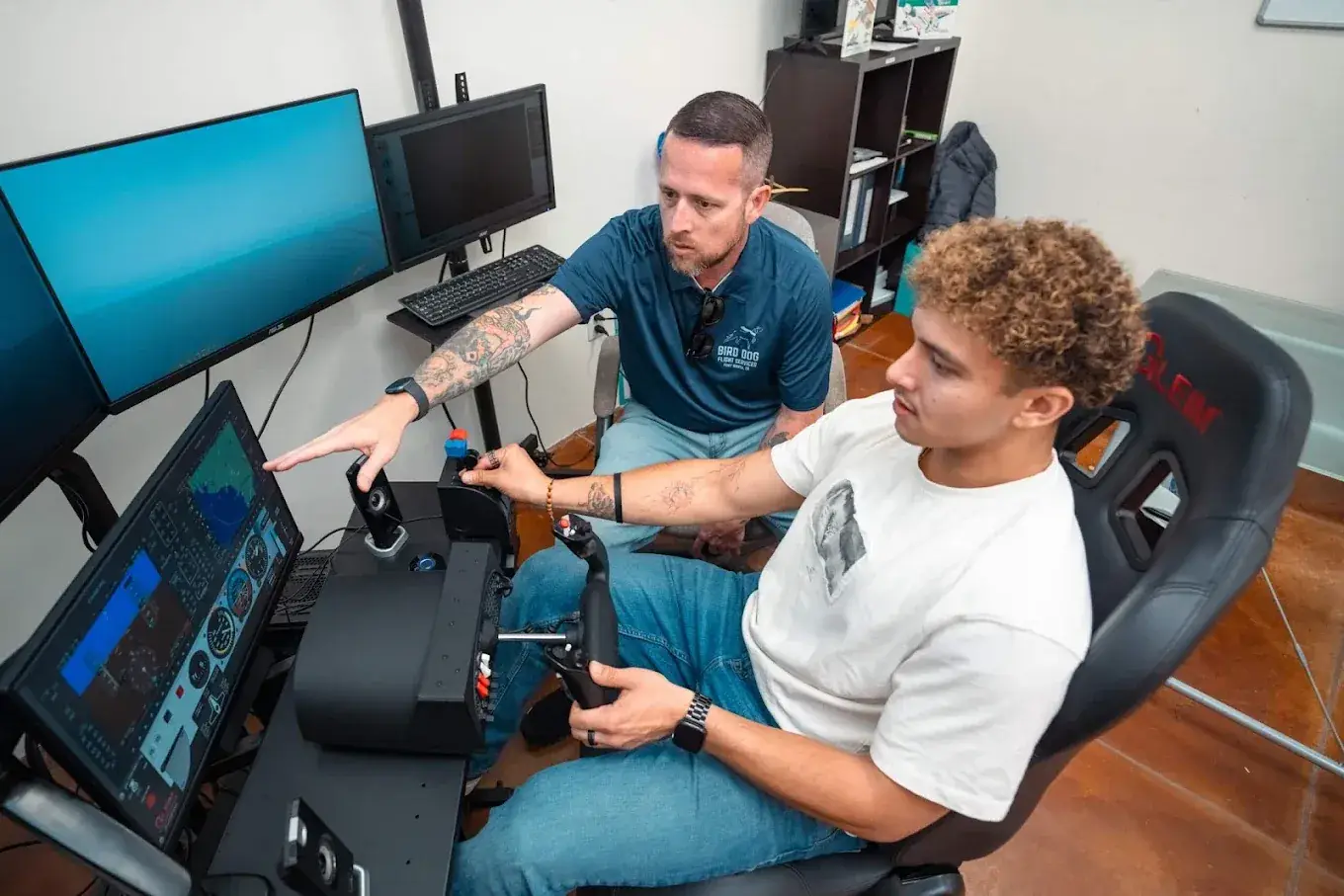
Before you teach approaches in the air, you teach them in our Gleim BATD simulator. You give the lesson, your instructor plays the student, and the student makes mistakes on purpose. When a hold entry goes wrong, you can pause the scenario, explain what happened, and run it again in seconds. In an airplane, that same replay means flying the whole pattern again.
Teach-backs tend to move the timeline forward because you get many repetitions of the teaching skill without waiting on weather or burning flight time. The simulator is for practice only: the CFII checkride is flown in the airplane. You can read more about the device on our BATD simulator page.
Right-Seat Instrument Flying Is the Skill Check on Your Timeline
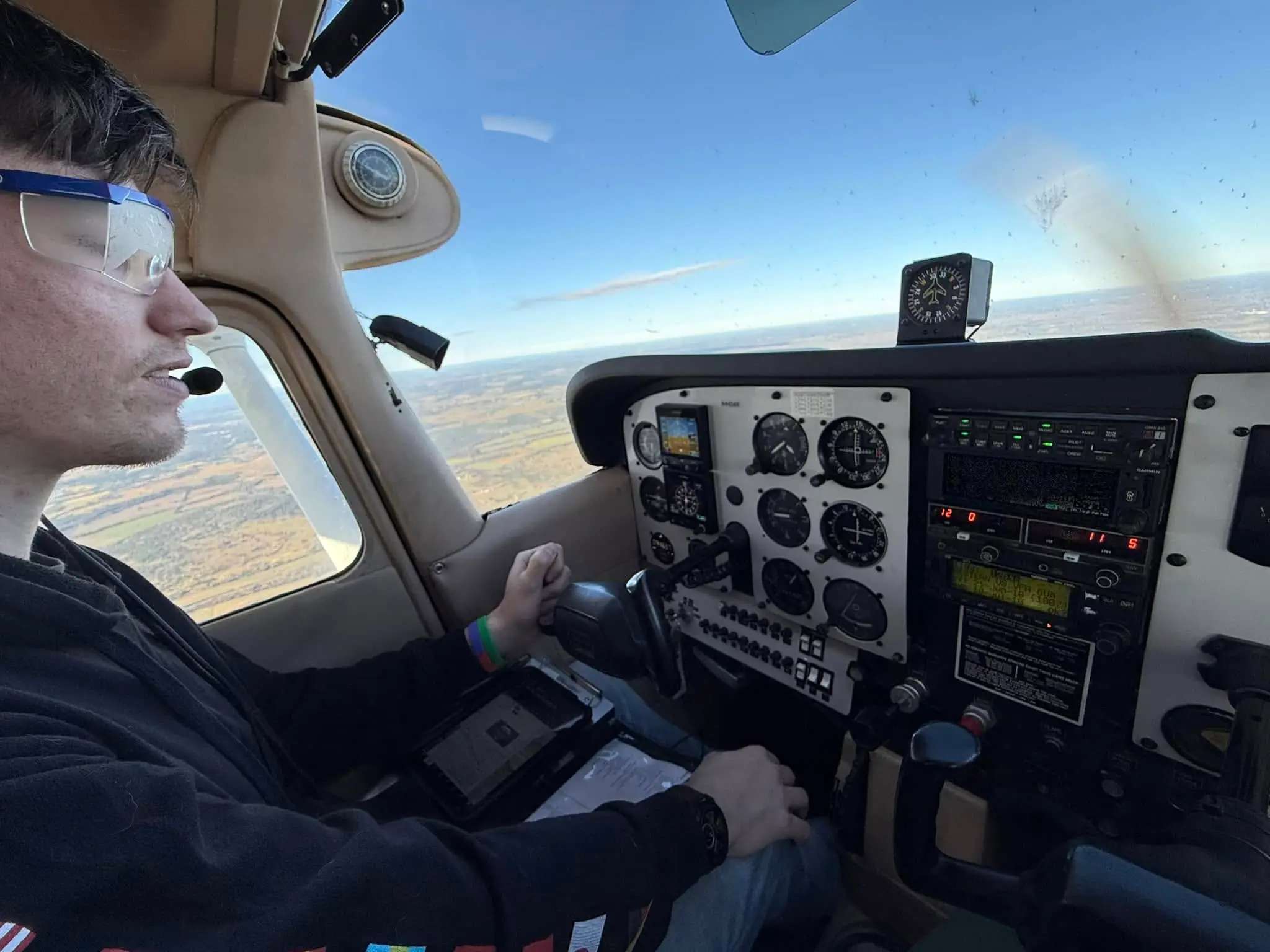
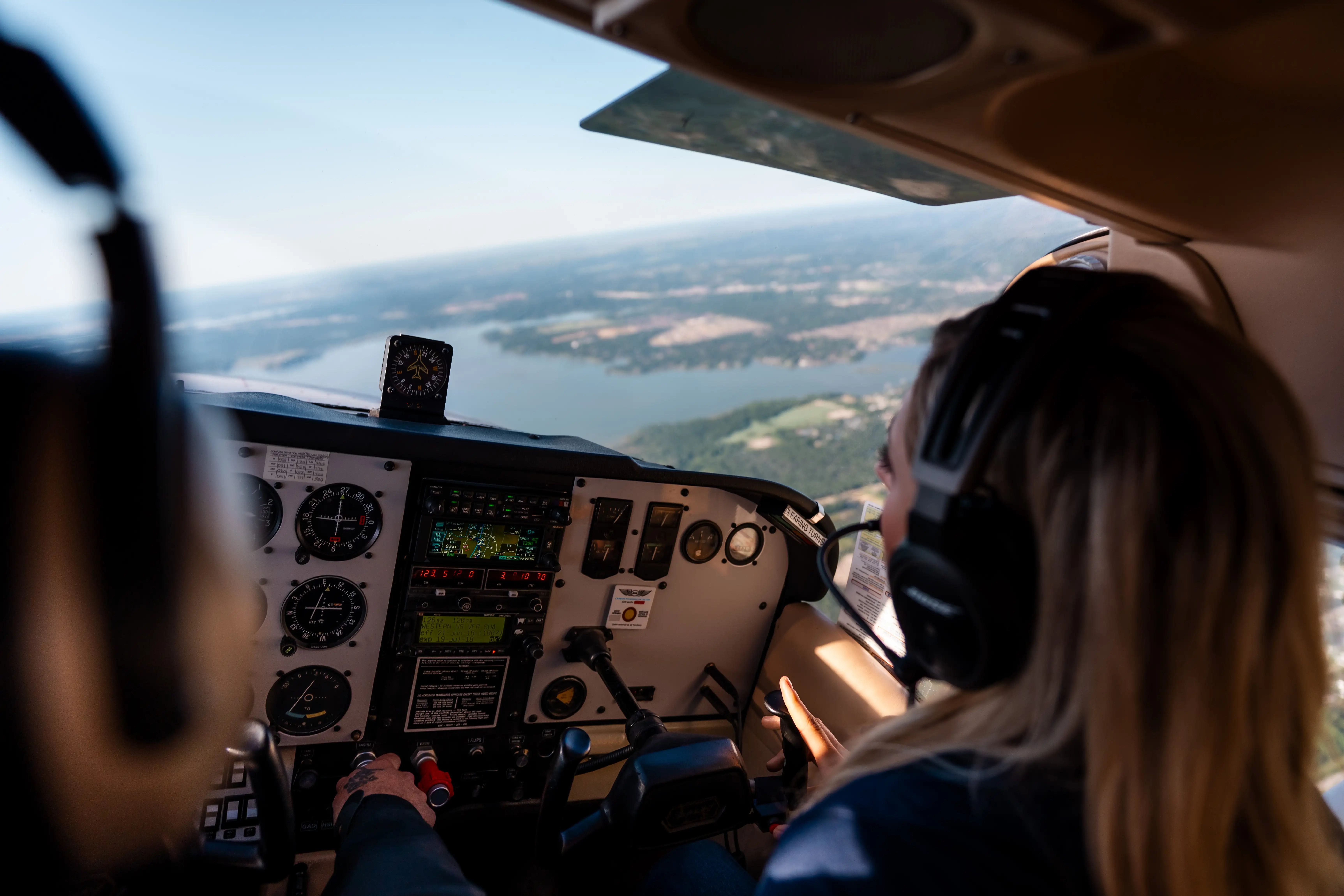
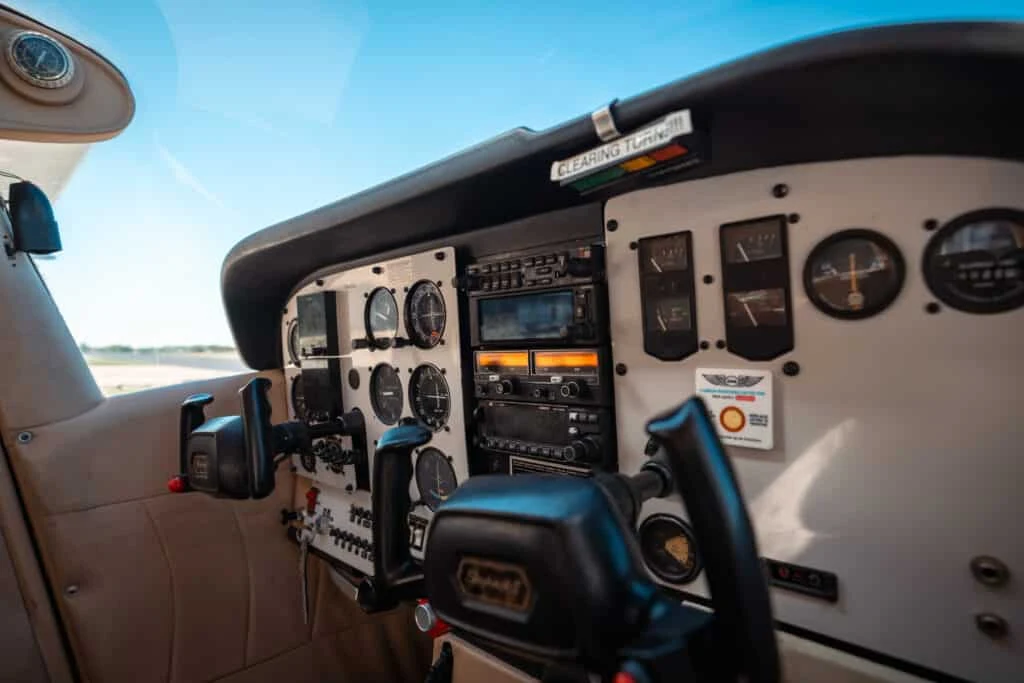
Next, you fly precision and non-precision approaches from the right seat, under the hood, while you teach. The examiner expects your own flying to stay at instrument pilot standards while your attention is split between the gauges and your student.
This phase is where your current instrument proficiency shows up on the calendar. If you fly instruments regularly, the right-seat work is mostly about getting used to the new seat and talking while you fly. If your last approach was a year ago, the first lessons become review. A refresher on the instrument side, the same skills from our Instrument Rating training, can come first.
An Example Full-Time and Part-Time CFII Plan
The table below is an illustrative example of how the typical ranges can fit together. It is built from our 2 to 4 week full-time and 1 to 2 month part-time ranges, not from a fixed schedule, and your plan will follow your own progress.
| Stage | Example full-time plan | Example part-time plan |
|---|---|---|
| Knowledge test prep and ground lessons | Week 1 | Weeks 1 to 3 |
| Lesson plans and BATD teach-backs | Weeks 1 to 2 | Weeks 2 to 5 |
| Right-seat instrument flying | Weeks 2 to 3 | Weeks 4 to 7 |
| Endorsements and checkride scheduling | Week 3 to 4 | Weeks 7 to 8 |
The stages overlap. In a full-time plan, ground in the morning and flying in the afternoon keeps everything fresh. In a part-time plan, the same work spreads out, and the main risk is the gap between sessions. Our CFII course can follow either pace.
Endorsements and the Examiner Set the Final Stretch
When your instructor sees you teaching and flying to standard, they sign your endorsements. One of them certifies that you received training within the 2 calendar months before the month you apply for the practical test. If your test date slides past that window, you train again and get a fresh endorsement before you test.
Then comes the examiner. A Designated Pilot Examiner (DPE) is the FAA-appointed examiner who gives your checkride. Examiner schedules vary, so start that conversation early rather than waiting until your last lesson. Our guide to CFII checkride day covers the endorsements, paperwork, and what to bring in detail.
If weather or a mechanical problem stops your checkride partway, the examiner issues a Letter of Discontinuance. You get credit for the areas you passed if you finish the rest within 60 days, and every part of the test must be done within 2 calendar months after the month it began. A disapproval means more training and a new endorsement before the retest.
Five Things That Speed Up or Slow Down Your CFII
Five factors decide whether you land near the short end or the long end of the range.
- Whether you already hold a CFI. For a current CFI, the CFII is typically a fast-paced add-on: one knowledge test and a focus on instrument teaching. You can make the CFII your first instructor rating, but you add the FOI test and much more teaching practice. Our CFI program is the usual first step.
- Your instrument proficiency today. Sharp approaches shorten the right-seat phase. Rusty ones add review.
- Schedule consistency. Lessons close together build on each other. A two-week gap often turns the next lesson into catch-up.
- Texas weather. Storms, gusty wind, or low clouds can move a flight, and a checkride can be moved for the same reasons. A little slack in your plan absorbs it.
- Examiner availability and your test windows. Book early, and keep your knowledge test and endorsement dates inside their windows.
Your medical matters too. A flight instructor practical test in an aircraft needs at least a third-class medical certificate, with a BasicMed exception for flights within its limits, so if yours has lapsed, schedule the exam early so it never holds up your test date. For what each phase costs, see how much a CFII costs in Fort Worth.
Fitting a CFII Around Work and Your Budget
Most CFII candidates already have students, a job, or both. A part-time plan of 1 to 2 months often fits better than trying to clear a whole month, as long as lessons stay regular. If you are starting from zero rather than adding a rating, our LOFT Career Pilot Program includes CFI and CFII training, and most students finish it in 6 to 9 months, depending on availability and weather. For the full zero-to-pilot picture, see our flight training timeline.
Money can affect your pace too. If paying as you go would force long gaps, financing through Stratus Financial may be available to qualified applicants, and it covers CFI and CFII ratings. Learn more on our financing page.
Frequently Asked Questions
How long does it take to get a CFII?
Our CFII course typically takes 2 to 4 weeks full-time or 1 to 2 months part-time. It is proficiency-based, so your instrument skills, schedule, weather, and examiner availability set the final date. See the CFII program for the course outline.
Is there an FAA minimum number of hours for the CFII?
No. The FAA sets no minimum training hours for the instrument rating on a flight instructor certificate. You need the knowledge test, your instructor’s endorsements, and a passed practical test.
Can I get my CFII faster if I already have my CFI?
Usually, yes. You skip the FOI test, and you already know how to teach. The CFII becomes an add-on focused on instrument teaching and right-seat flying.
How long are my FII knowledge test results good for?
You must pass the test within the 24 calendar months before the month you finish the practical test. Plan your test date so it stays inside that window. Our checkride day guide covers the rest of the paperwork.
Can I do CFII training on weekends only?
Yes. Weekend training fits the 1 to 2 month part-time range. Keep sessions regular so you do not spend lessons reviewing, and watch the 2-calendar-month endorsement window as your test date nears.
Does simulator practice shorten the CFII timeline?
It can. Teach-backs in our BATD let you repeat procedures without waiting on weather, though the checkride itself is flown in the airplane. Read more about our BATD simulator.
Plan Your CFII Timeline With Us
You know your schedule, your instrument skills, and when you want to start teaching instrument students. Bring those to us and we will build a CFII plan that fits your calendar, with the knowledge test, endorsements, and checkride lined up inside their windows. Contact us to talk through your timing and get your CFII on the calendar.