CFII Checkride Day: How to Prepare and What Happens (2026)
Published by:
Madison BarberPublished on:
Updated on:
Read time:
9 min read
The examiner sits down across the table, opens your logbook, and starts turning pages before a single lesson begins. They are looking for three endorsements with the right dates on them. If one is missing or out of its window, your CFII checkride can end right there, before you ever teach a word.
You already passed an instrument checkride, so much of the stress around a CFII checkride comes from logistics. This guide covers the rest of the day: the endorsements and knowledge test results you need, how to book a Designated Pilot Examiner, what to pack, how the oral and flight portions run, and why tests get stopped. If you want the standard itself, our guide to the CFII PTS and what the examiner tests walks through all ten areas of operation.
Get Your Endorsements Signed Inside the Right Window
Your instructor’s signatures are your ticket into the test. For the CFII practical test, you need three endorsements in your logbook or training record:
- The practical test prerequisite endorsement. Your instructor certifies that you received and logged training within the 2 calendar months before the month you apply, and that you are prepared for the test.
- The knowledge test review endorsement. Your instructor certifies that you now have satisfactory knowledge of the subject areas you missed on the knowledge test.
- The CFII practical test endorsement. Your instructor certifies that you received the required flight instructor instrument training and are prepared for the CFII practical test.
The 2-calendar-month window is where applicants get caught. If weather or a busy month pushes your test date back, your training and endorsement need to stay current with it. Your instructor can fly or brief with you again and sign a fresh endorsement.
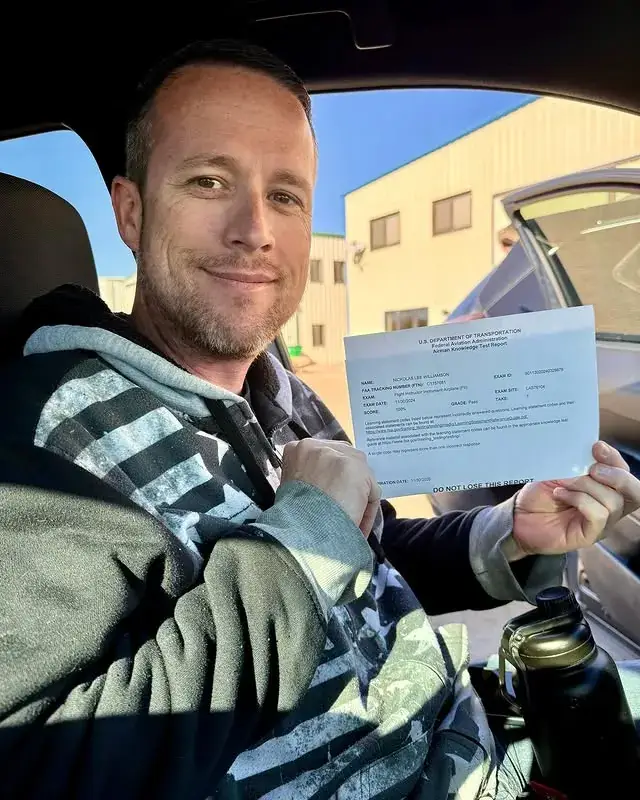
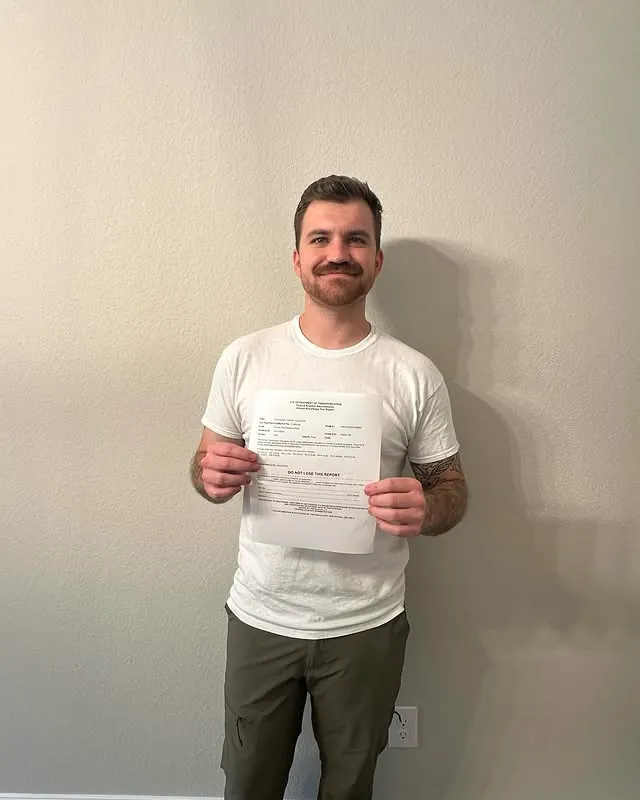
You also bring your airman knowledge test report from the Flight Instructor Instrument (FII) knowledge test. You must pass that test within the 24 calendar months before the month you finish the practical test. That test report lists the subject areas you missed, which is what endorsement number two covers. If you are not already a flight or ground instructor, you also took the Fundamentals of Instructing test. You can skip one endorsement: the spin training endorsement is only for initial CFI airplane and glider applicants.
Finally, you need a current medical certificate and a completed application. You fill out FAA Form 8710-1 in IACRA, the FAA’s online certification and rating application system. Sit down with your instructor a week before the test and check every field together. Our CFII program builds this paperwork review into your final lessons.
Book Your Examiner Early and Build Training Around the Date
A Designated Pilot Examiner (DPE) is an individual the FAA appoints under 14 CFR 183.23 to give practical tests. A DPE must hold the right category, class, and type ratings, and they need to be authorized for the test you are taking. You can search for examiners with the FAA designee locator.
Examiner schedules vary, so plan the date with your instructor while you are still early in your training. Pick a target date, then work backward: when you will finish teach-backs, when you will fly your last right-seat approaches, and when your instructor will sign the endorsements. That way the 2-calendar-month window works for you.
When you book, confirm the details with the examiner: where you will meet, the examiner’s fee, how they want the application handled in IACRA, and whether they want a cross-country plan ready when you arrive. If you are still finishing your initial CFI, your CFII test date comes after that one.
Pack the Bag the Examiner Expects to See
The CFII practical test standards include an applicant’s checklist. Pack from it a few days ahead so a missing document has time to turn up.
| What to bring | Why the examiner wants it |
|---|---|
| Photo and signature ID, pilot certificate, medical certificate | Confirms who you are and that you can act as pilot in command |
| FAA Form 8710-1 in IACRA and your knowledge test report | Your application and proof you passed the FII test |
| Logbook with instructor endorsements | Shows you meet the practical test prerequisites |
| Airworthiness certificate, registration, operating limitations | Shows the airplane is legal to fly |
| Aircraft maintenance records | Show airworthiness inspections and AD compliance |
| Pilot’s Operating Handbook or approved flight manual | Supports systems and performance questions |
| View-limiting device | You supply it for the instrument tasks |
| Your PTS lesson plans | Used for the preflight lesson and ground teaching |
| Current charts, chart supplements, the AIM, flight plan and log forms, computer and plotter | Supports planning and teaching on the ground |
| Examiner’s fee | Paid to the examiner |
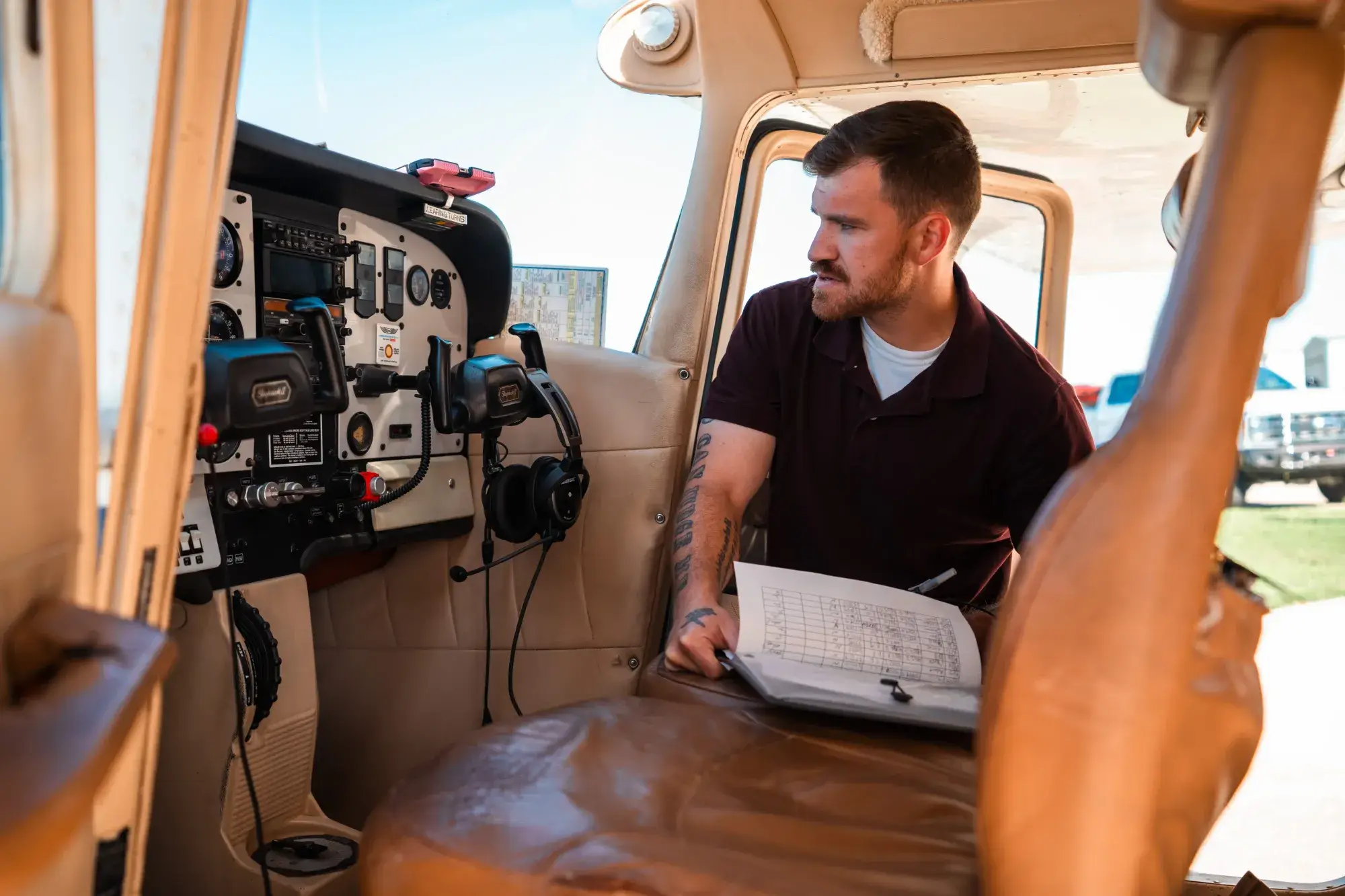
Tab the aircraft logbooks before you arrive. An examiner will want to see the latest annual inspection and the other required inspections without waiting while you search. If you plan to use a tablet with electronic charts, know it well. The standards expect you to show knowledge, risk management, and skill with any portable electronic flight bag you use on the test.
The airplane also has to fit the test. You provide an aircraft with the equipment for every area of operation, two pilot stations, and controls both of you can reach. Forms and standards change from time to time, so check the FAA practical test standards page before your test. Contact us to talk through your scheduling, and see our aircraft rental options for your training flights.
How the Ground Portion Runs on Test Day
The examiner arrives with a written plan of action built around a scenario. They may hand you a student and a situation, such as a learner who wants to file IFR for a trip, then ask questions that flow out of it. Expect problems to pop up inside that scenario, the way they would in real training.
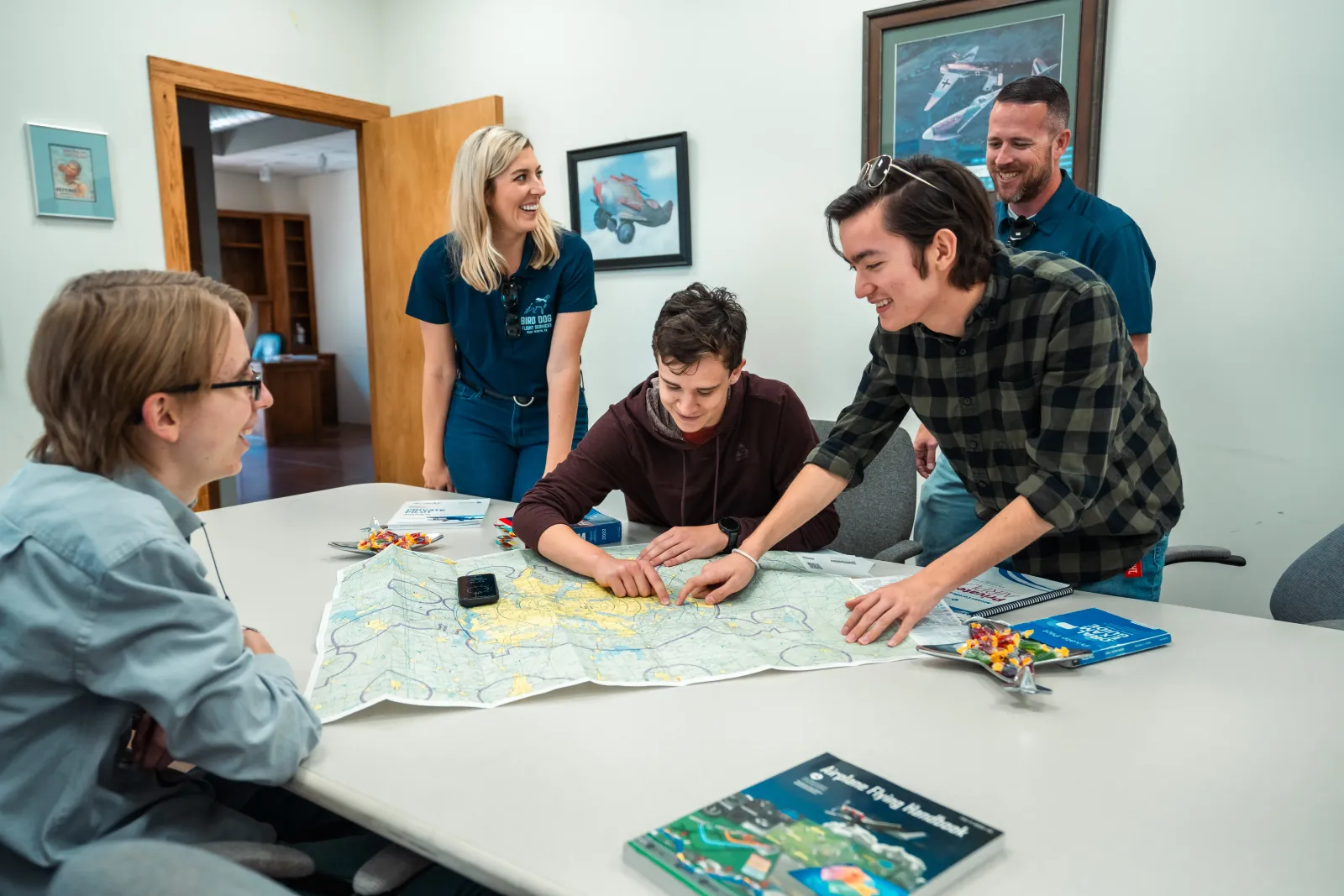
Much of the ground portion is you teaching. You explain how people learn and how you would plan and critique a lesson. You talk through instrument logbook entries and endorsements, since you will sign them for your own students. The examiner then picks a maneuver from the flight areas and asks you to give a preflight lesson on it, just as you would before a student’s flight. You can teach from lesson plans in your own library.
Your binder carries you through this part. A lesson plan with a clear objective, the elements of the maneuver, the common errors, and how you will correct them gives you structure when nerves kick in. Practice delivering each one out loud. Our one-on-one ground instruction includes checkride oral prep, and that time works best when you teach to an instructor who interrupts with student questions.
How the Flight Portion Runs
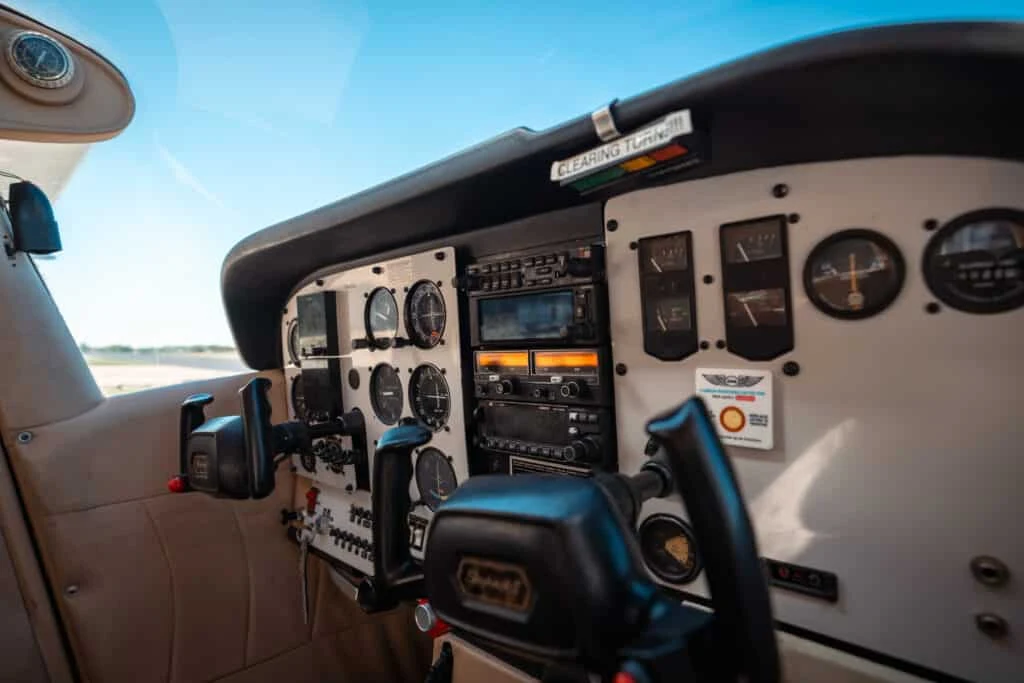
Before engine start, settle two things. First, who is pilot in command. The examiner is not PIC during a practical test unless that is arranged ahead of time, so talk about it during the briefing. Second, brief the view-limiting device: when it goes on, when it comes off, and how you will exchange flight controls.
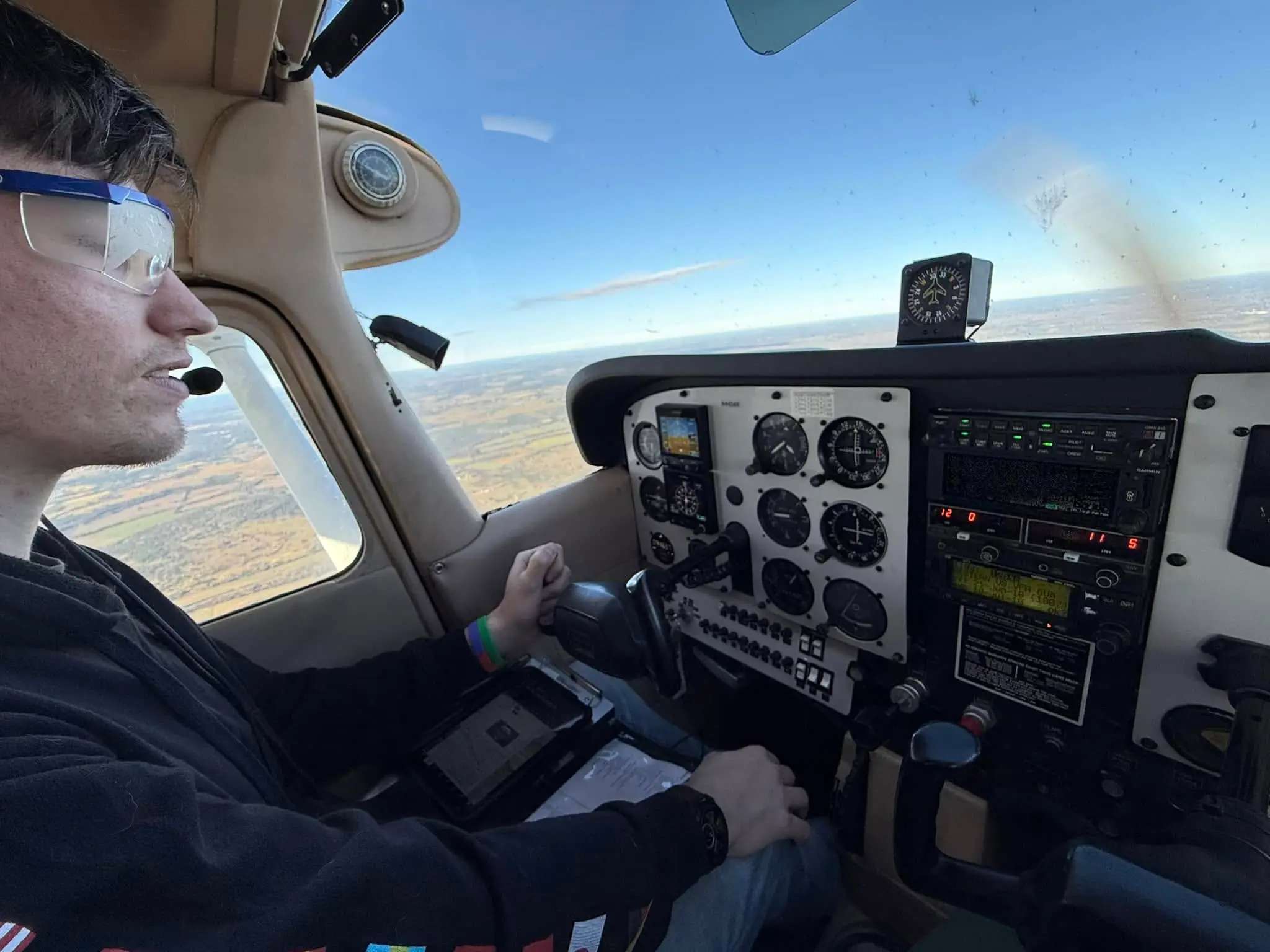
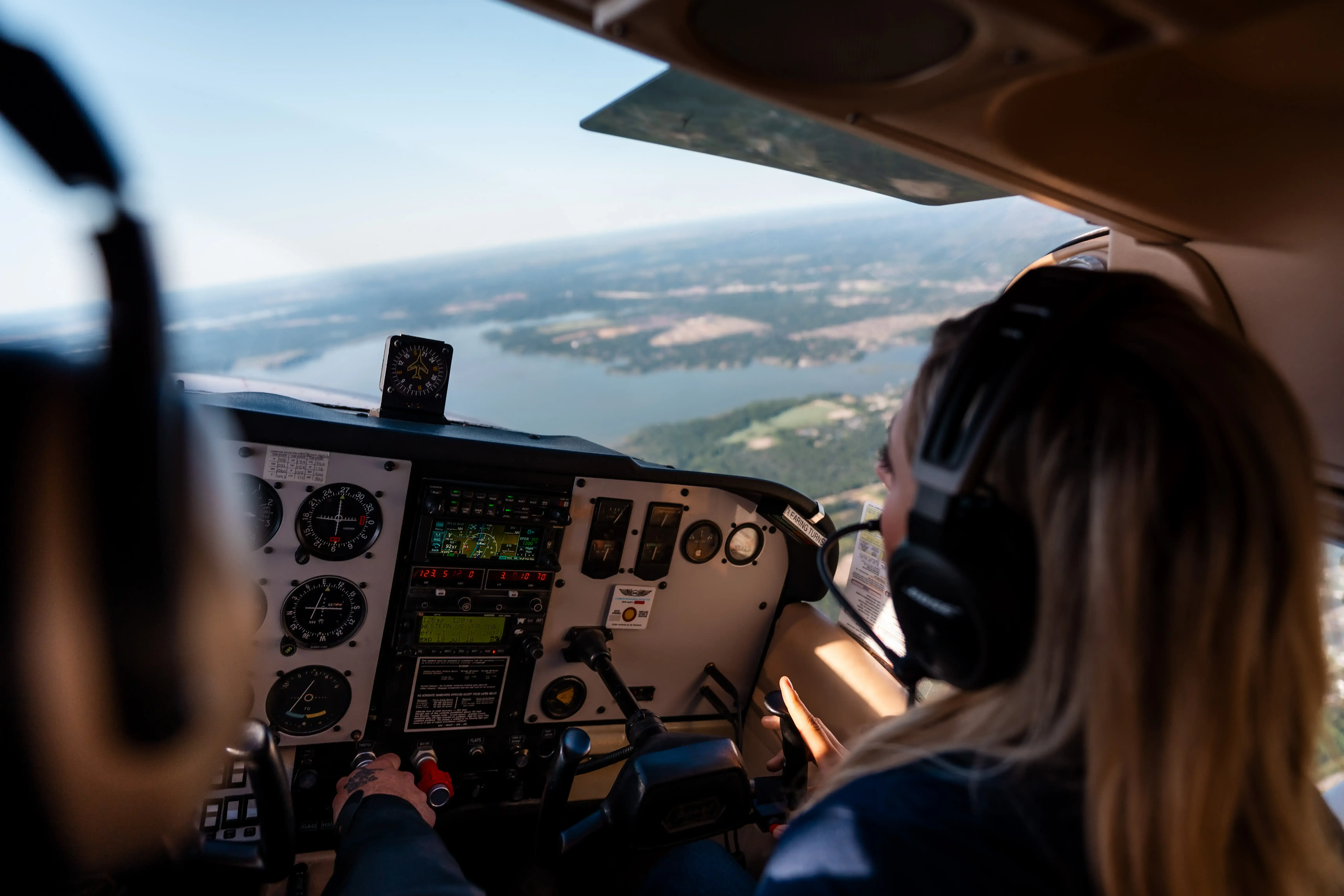
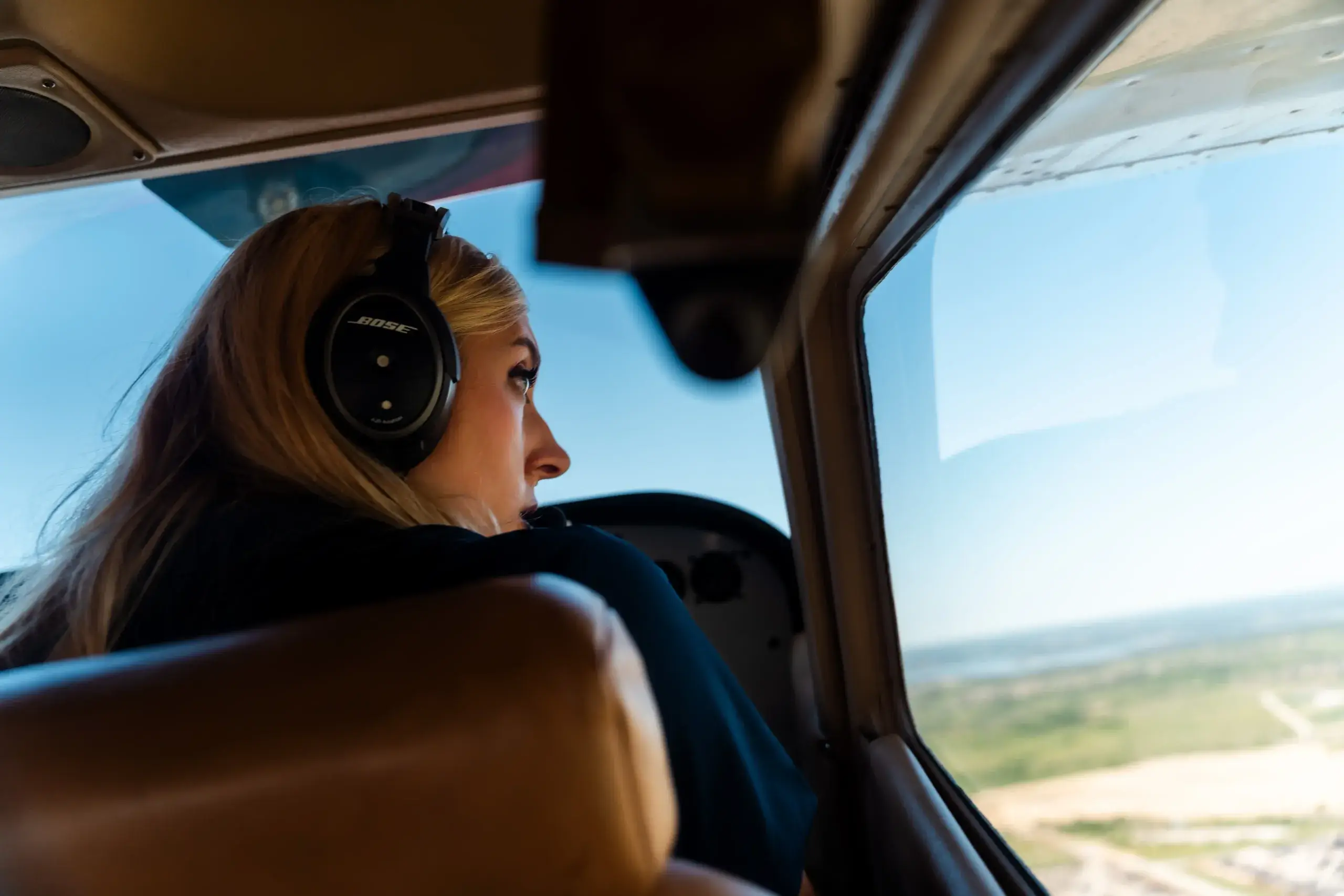
In the air, the scenario continues. You fly and explain at the same time, often while the examiner plays a student making common errors. You will fly at least two nonprecision approaches and a precision approach, with one flown on backup or partial panel instruments. Some maneuvers, like unusual attitude recovery, may come after the scenario ends. The examiner also creates a realistic distraction at some point, so keep your scan and your teaching going.
Fly the airplane first. A smooth, accurate approach with a clear explanation beats a long lecture on a sloppy one. Our guide to the flying standards and what the examiner watches goes into more depth.
Why CFII Tests End in a Disapproval or a Discontinuance
A test can end early in two very different ways.
| Outcome | What causes it | What happens next |
|---|---|---|
| Notice of Disapproval | You fail a task, so that area of operation and the test are failed | More training, a new endorsement, and a retest |
| Letter of Discontinuance | The test stops for weather, an aircraft problem, illness, or another safety reason | You resume later with credit for the areas you passed |
The standards list the common reasons for an unsatisfactory result: not flying to instrument standards while instructing, an explanation that is not clear, concise, technically accurate, and complete without prompting, any action that forces the examiner to step in for safety, poor visual scanning, and not using single-pilot resource management. Weak risk management in a task also fails that task.
If you get a Letter of Discontinuance, it lists the areas you passed. Bring it to the resumed test. You do not need a new endorsement to continue. To keep credit for passed areas after either outcome, you must pass the rest within 60 days and bring the original letter or notice, plus a signed application. There is a second limit too: every part of a practical test must be finished within 2 calendar months after the month you started, or you retake the whole test.
After a disapproval, you need additional training from an instructor who then signs a retest endorsement and recommends you on your application. A disapproval stings, but the notice tells you exactly which areas to work on. Our CFII program handles retest training the same way as the rest of the course, one on one.
How Our One-on-One CFII Training Gets You Ready for the Day
Bird Dog Flight Services is a family-owned Part 61 flight school at Hicks Airport (T67) in Fort Worth, led by a founder and chief flight instructor who holds a CFII. Our CFII course is one on one, and every lesson starts with a briefing on the plan and ends with a debrief.
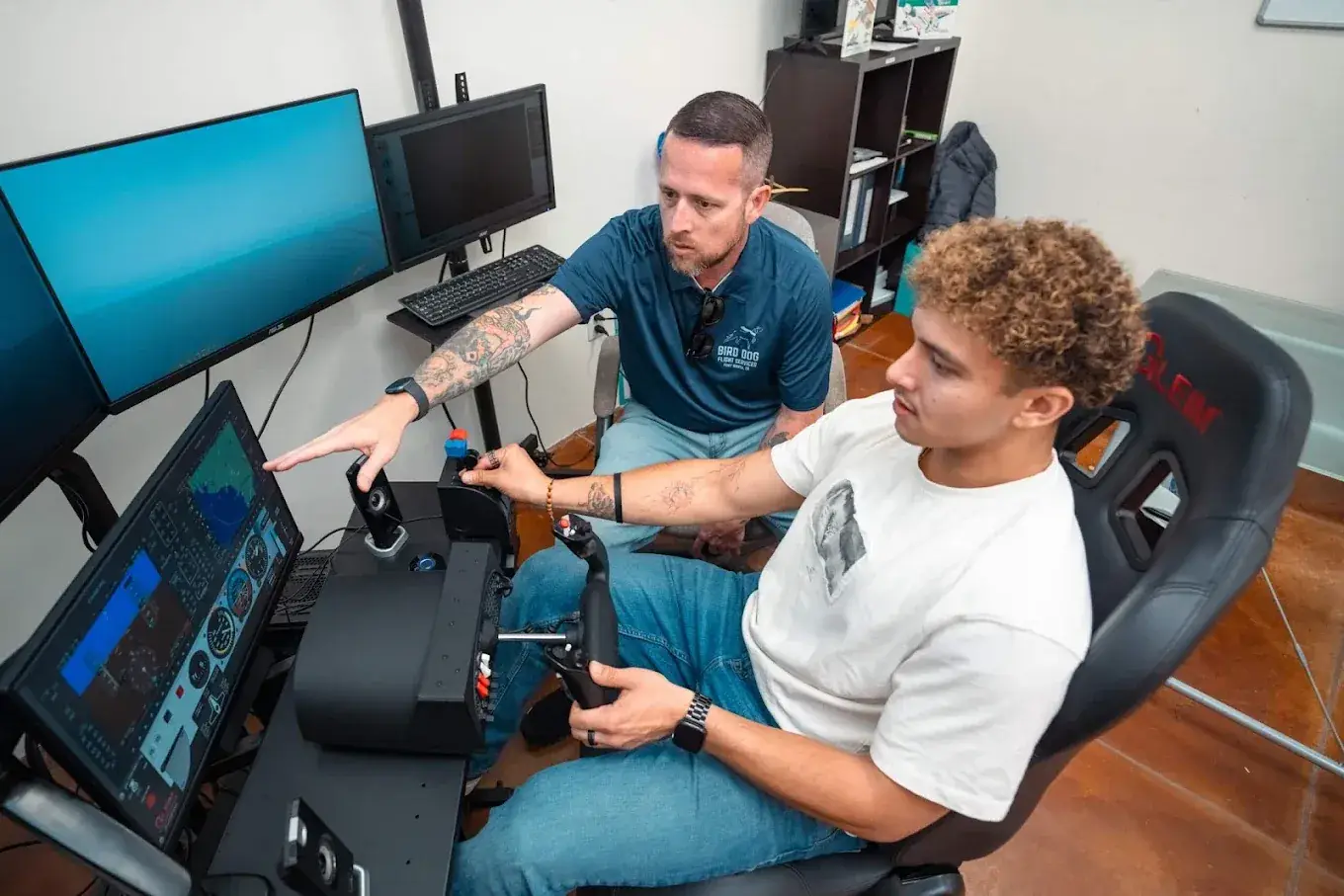
You learn to teach holds, approach plates, and IFR weather on the ground. Then you run teach-backs in our Gleim BATD simulator, pausing and resetting a scenario to correct a student’s mistake. The BATD simulator is for practice. Your checkride is flown in the airplane, so you also fly approaches under the hood from the right seat. You build a binder of lesson plans around the PTS, the standard your examiner uses.
If cost is part of your planning, financing through Stratus Financial can help cover individual ratings like the CFII.
Frequently Asked Questions
What endorsements do I need for the CFII checkride?
Three for the test itself. One certifies training within the 2 calendar months before the month you apply and that you are prepared. One covers the areas you missed on the knowledge test. One certifies your CFII training and readiness. See our CFII program for how we plan them.
How long are my FII knowledge test results good for?
24 calendar months. You must pass the knowledge test within the 24 calendar months before the month you complete the practical test. Bring your test report on test day.
How do I find a DPE for the CFII checkride?
Use the FAA designee locator and plan the date with your instructor early. Examiners must be authorized for the test, and schedules vary. Our CFI program follows the same planning approach.
Do I need a medical certificate for the CFII checkride?
In most cases, yes. The FAA requires at least a third-class medical certificate when you take a flight instructor practical test in an aircraft. Bring it with your photo ID and pilot certificate, just as you did for your instrument rating checkride.
Can I take part of the CFII checkride in a simulator?
No, not at a Part 61 school. Your checkride is flown in the airplane. We use our Gleim BATD simulator for teach-back practice.
What happens if weather stops my CFII checkride?
You get a Letter of Discontinuance listing the areas you passed. Finish the rest within 60 days to keep that credit, and bring the letter with you. Our ground instruction can keep your oral sharp in the meantime.
Plan Your CFII Checkride With Us
A calm CFII checkride starts weeks earlier, with signed endorsements, a booked examiner, and a bag packed from the checklist. Then your energy goes where it belongs: teaching clearly while you fly precisely.
Contact us to plan your CFII training at Hicks Airport, and we will help you set your timeline and prepare for the day, one on one.